
We are pleased to invite you to the second Science Silk Road Seminar. The seminar series is organized by the Volkswagen Foundation-funded project “China’s Science Silk Road and the New Geopolitics of Knowledge Production”, and co-hosted by the Berlin Contemporary China Network and the De:link//Re:link Research Consortium.
The “New Cold War” and the Securitization of China’s Earth Science Research in the Arctic
Trym Aleksander Eiterjord (University of British Columbia)
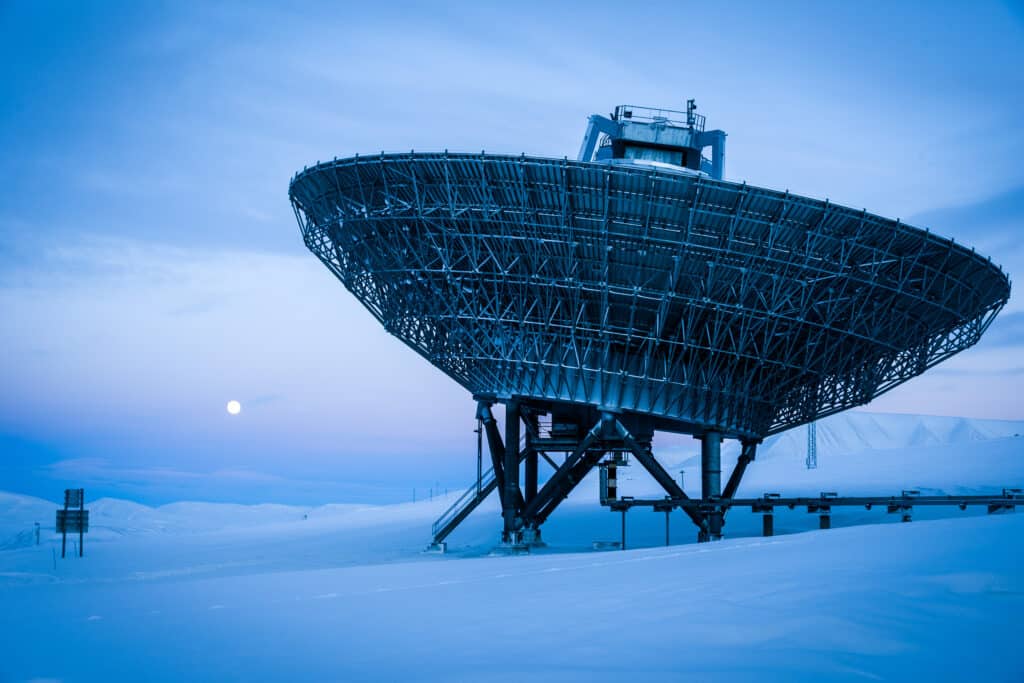
This presentation will explore how Chinese climate and earth-scientific research in the Arctic has been swept up in — but also contributed to — the past decade of deteriorating U.S.-China relations. Examining how geophysical research conducted by Chinese institutions in the polar north has been construed as threats to national security by the United States and its Arctic allies, this presentation considers the historical relationship between nuclear-age militarism and geoscientific research, and what this portends for the future of global earth science research.
Trym Eiterjord is a PhD student in Geography at the University of British Columbia and a Visiting Predoctoral Fellow at the Max Planck Institute for the History of Science. His research examines the relationship between twenty-first-century militarism and the earth sciences, and how intensifying great-power rivalry between the United States and China is reshaping research collaboration in Earth system science. His doctoral project explores the discursive construction of ‘dual-use research,’ focusing on China’s earth-scientific foray into the polar regions.
Date: 23 April 2026
Time: 15:00-16:30 (CET)
Location: online
The seminar series is sponsored by the Volkswagen Foundation-funded project “China’s Science Silk Road and the New Geopolitics of Knowledge Production”, an international partnership between the Lise Meitner Research Group “China in the Global System of Science”, Max Planck Institute for the History of Science in Berlin, and the Department of Political Science at Université Laval in Québec. Jointly led by Anna Lisa Ahlers, Han Cheng and Hang Zhou, the project advances one of the first in-depth analyses of China’s international cooperation on science, technology and innovation under the Belt and Road Initiative (BRI).