
China’s Belt and Road Initiative (BRI) is influencing clothing, language and culture in regions across the globe. In Kenya, the kanga, a piece of printed cloth, has taken on new purposes. In the Pamir region, sheroze embroidered ribbons are now often ordered from China instead of being made by local artisans. In Southeast Asia, traditional clothing is traversing national borders and appearing in fresh forms. And in Rotterdam, the port is increasingly shaping the city while the markers of the old Chinese influences, such as restaurants, are disappearing.
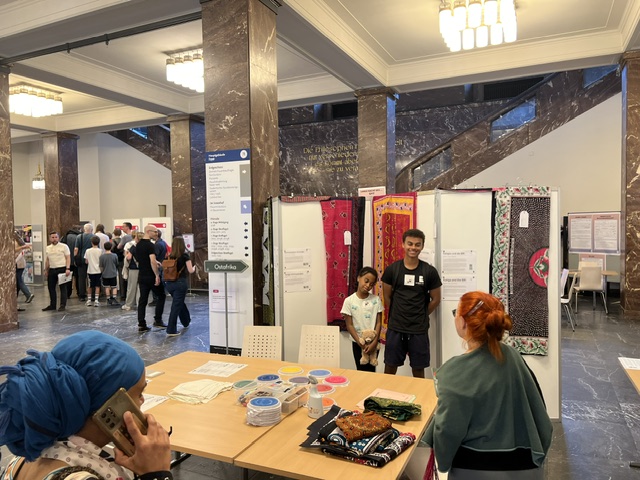
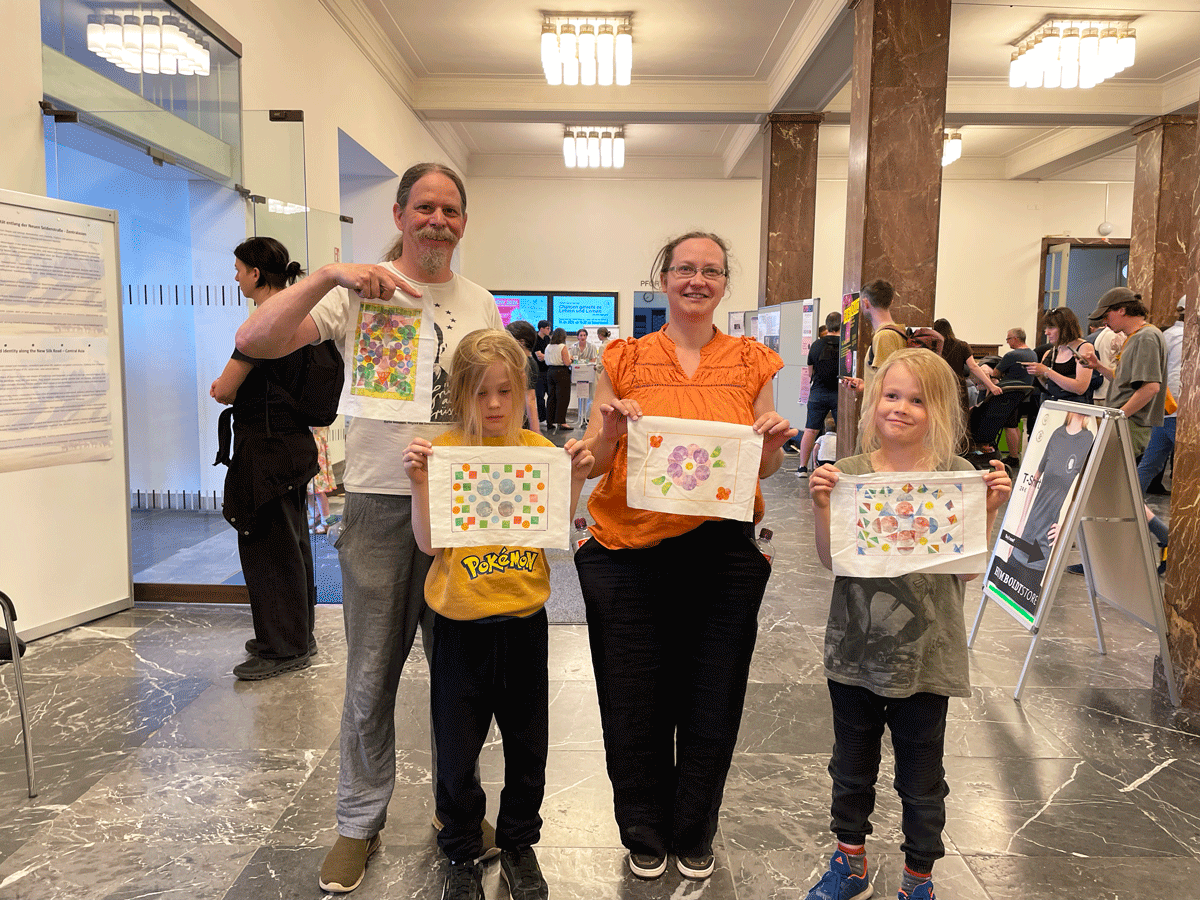
De:link//Re:link’s stand at the Long Night of the Sciences 2026 transported visitors to these four areas along the BRI, giving them an insight into the changing nature of places, objects and even languages through interactive activities – from napkin-folding to stitching and fabric printing.
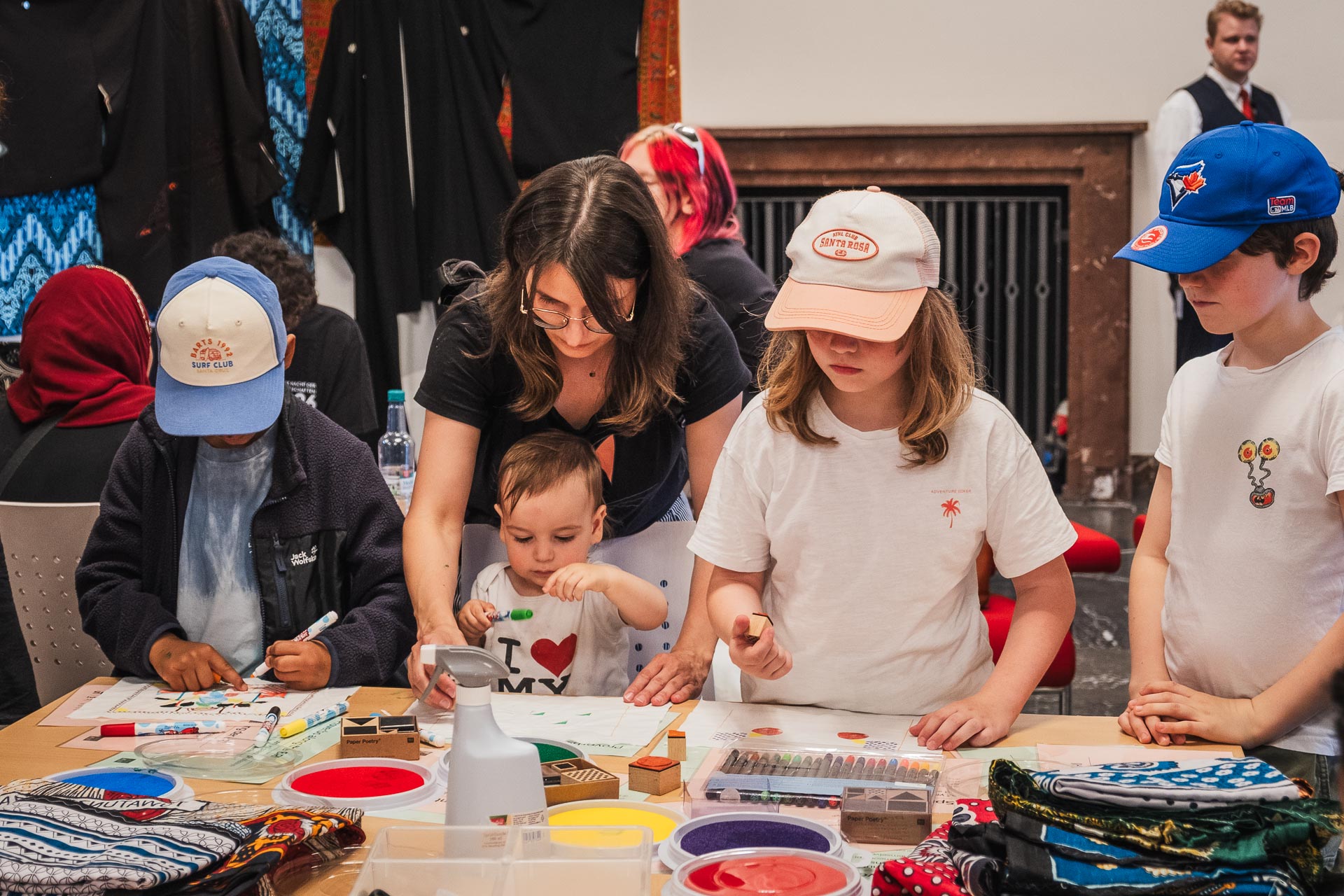
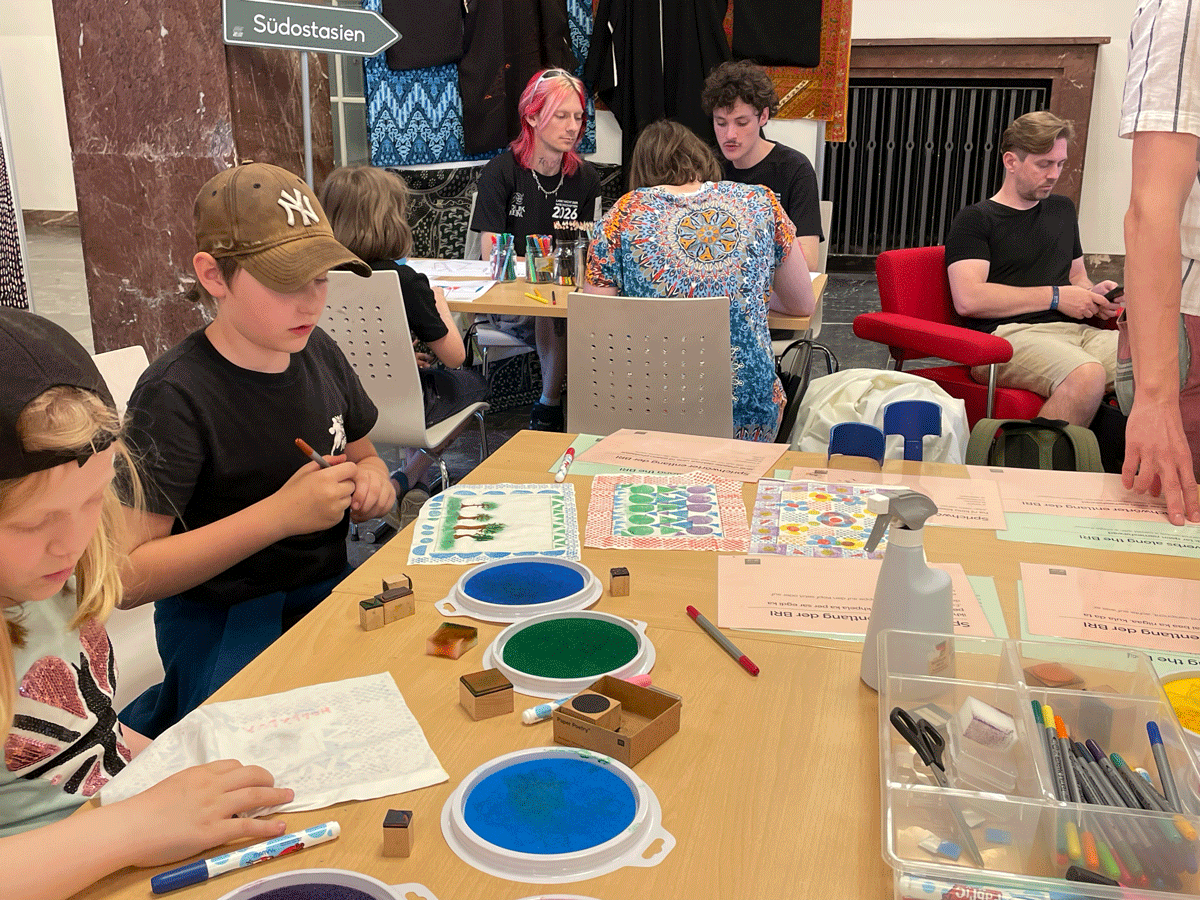
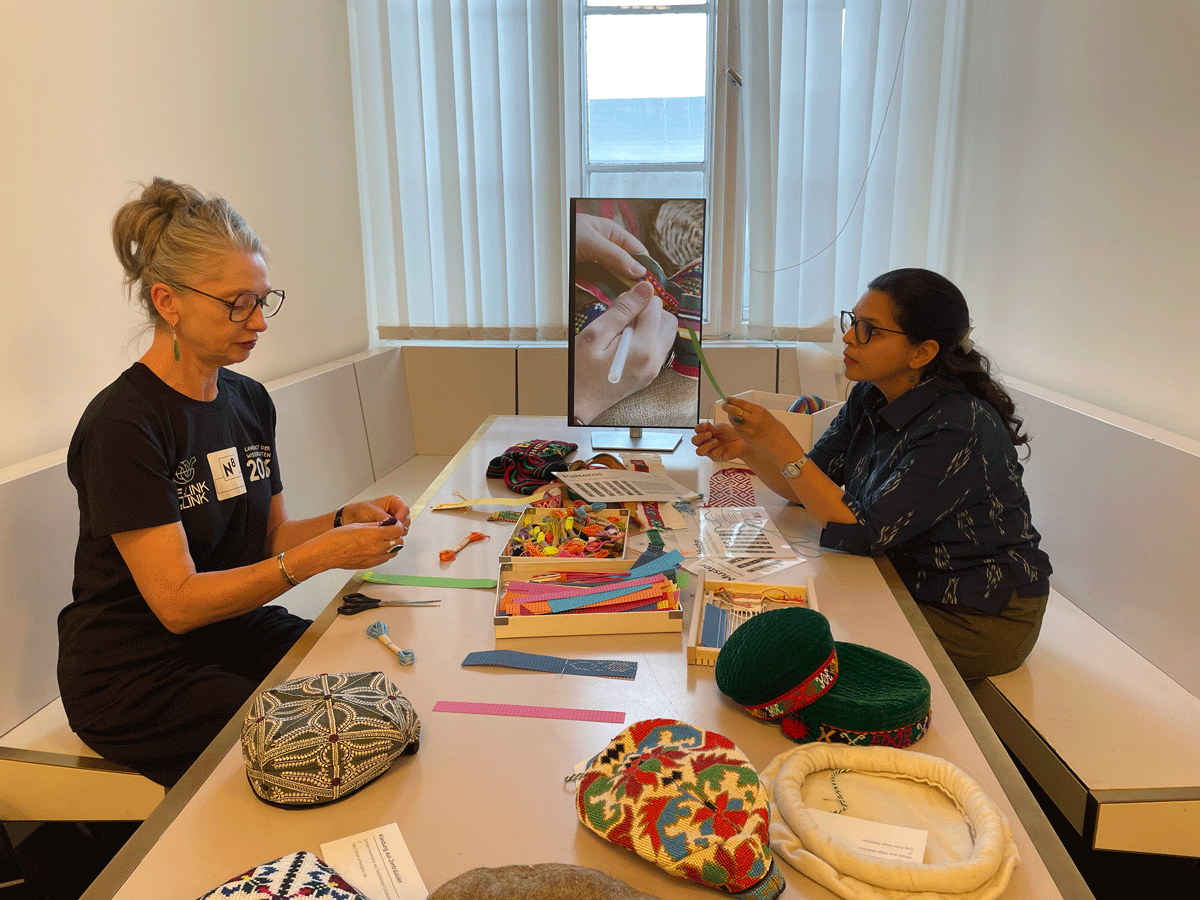
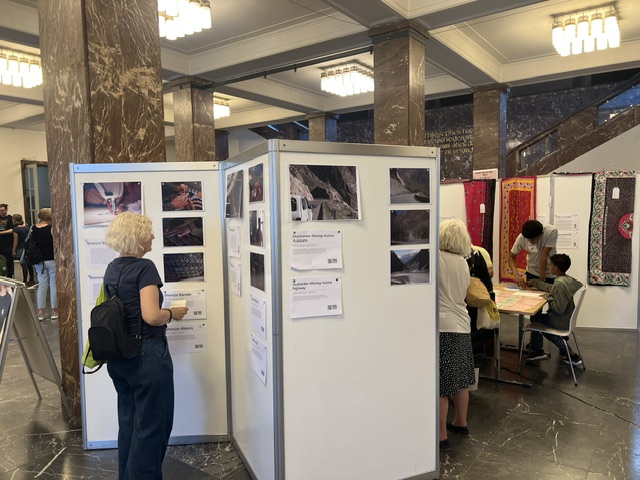
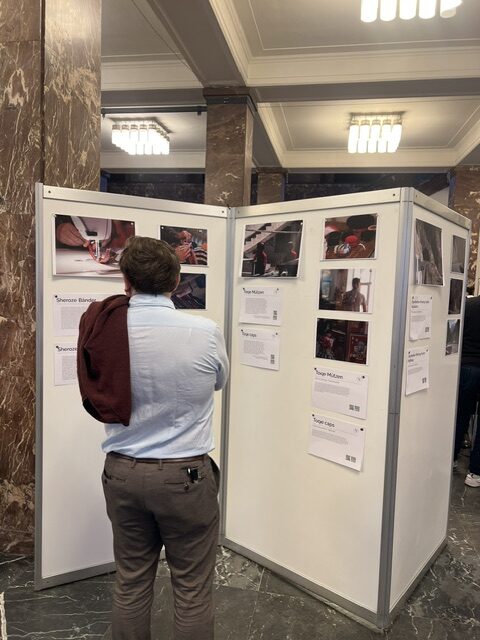
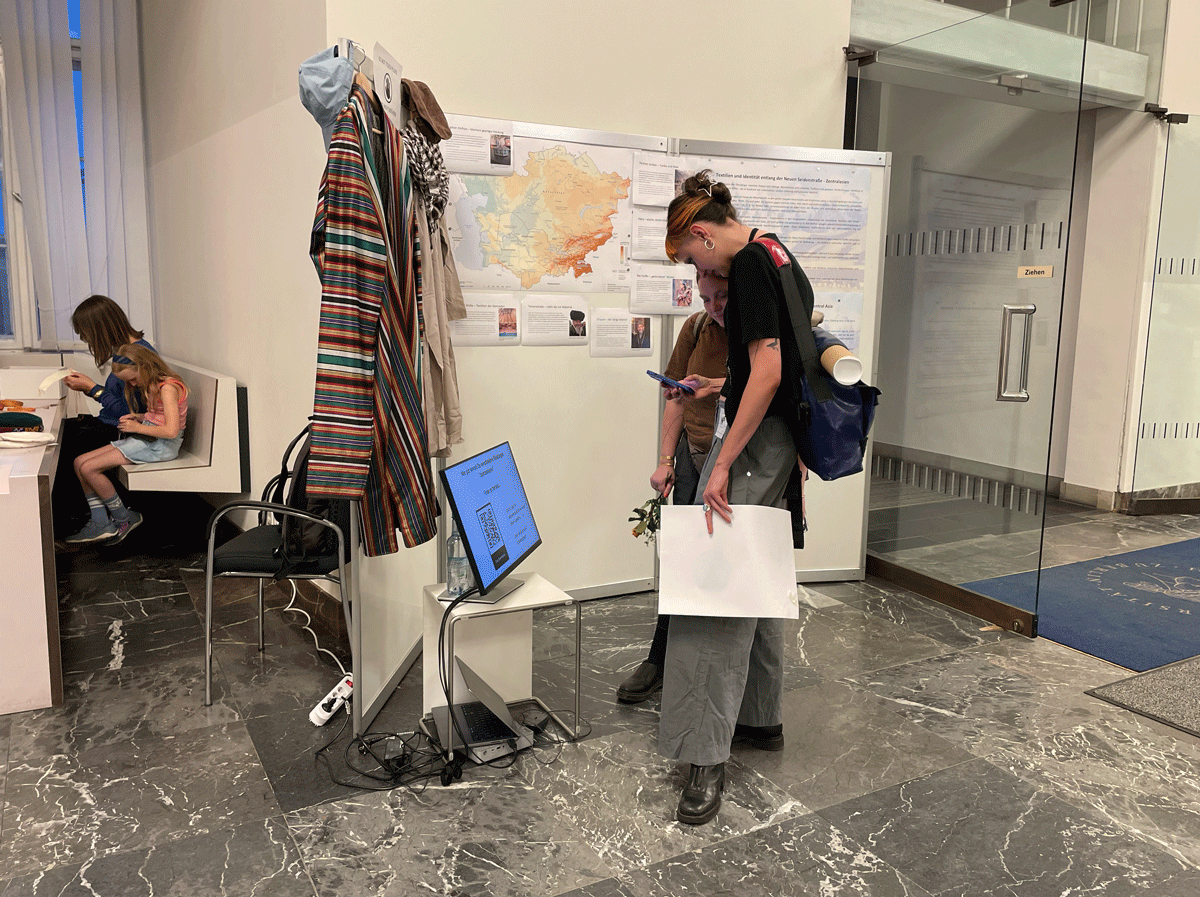
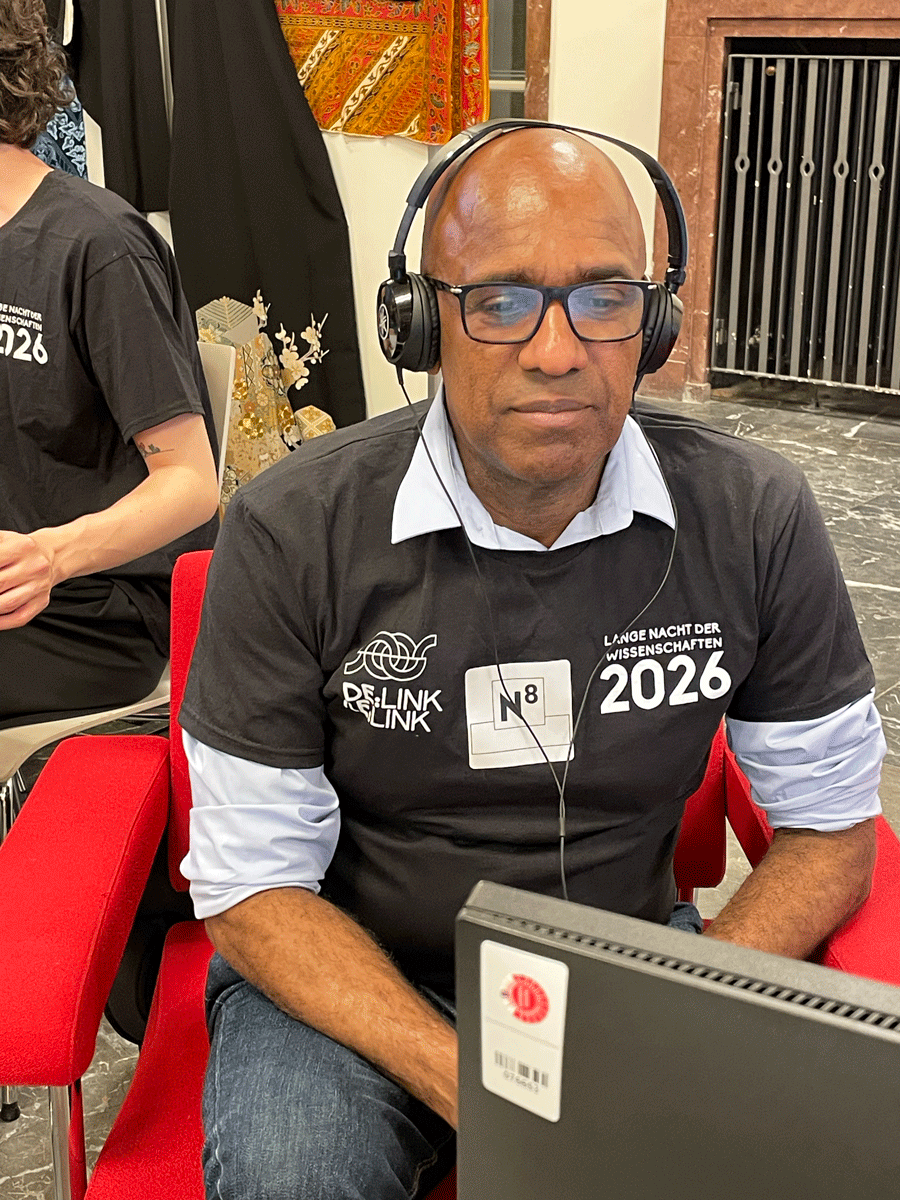
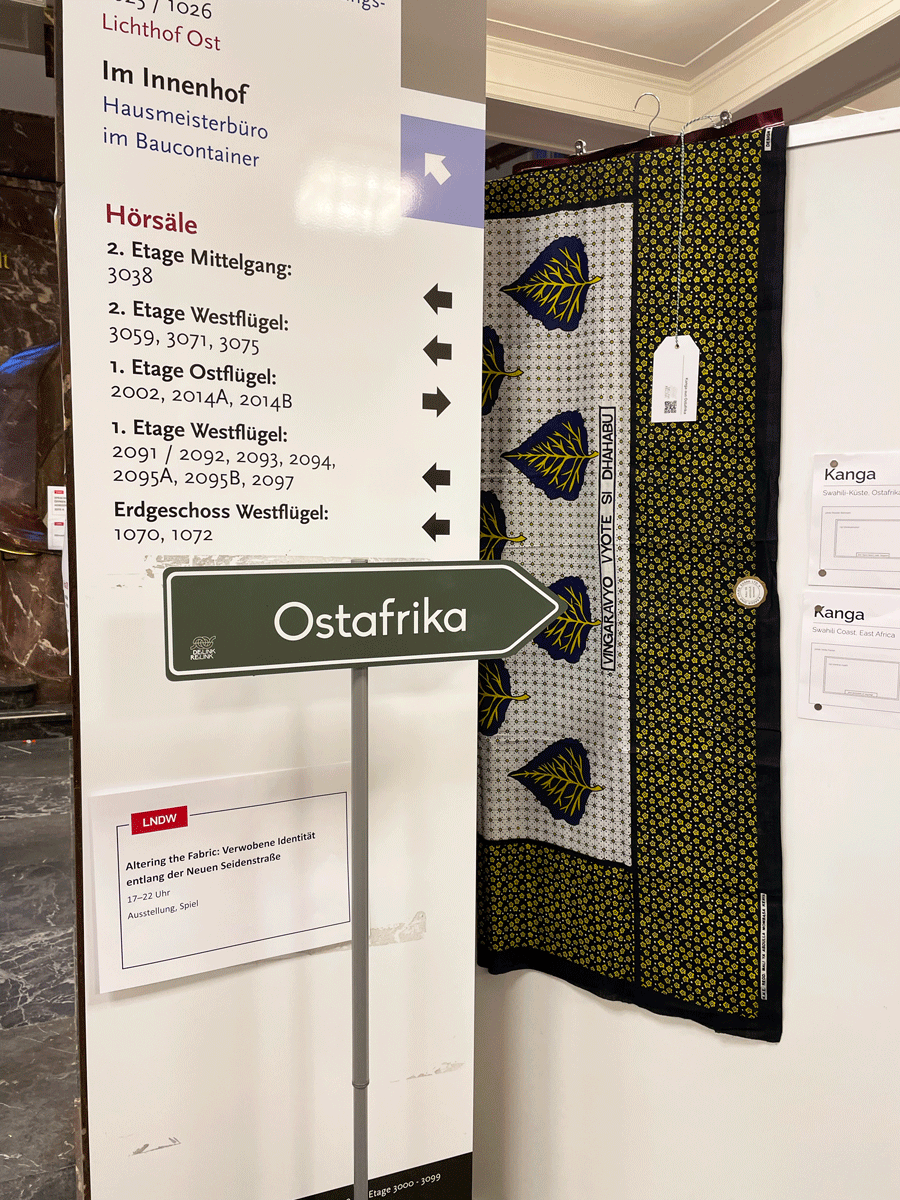
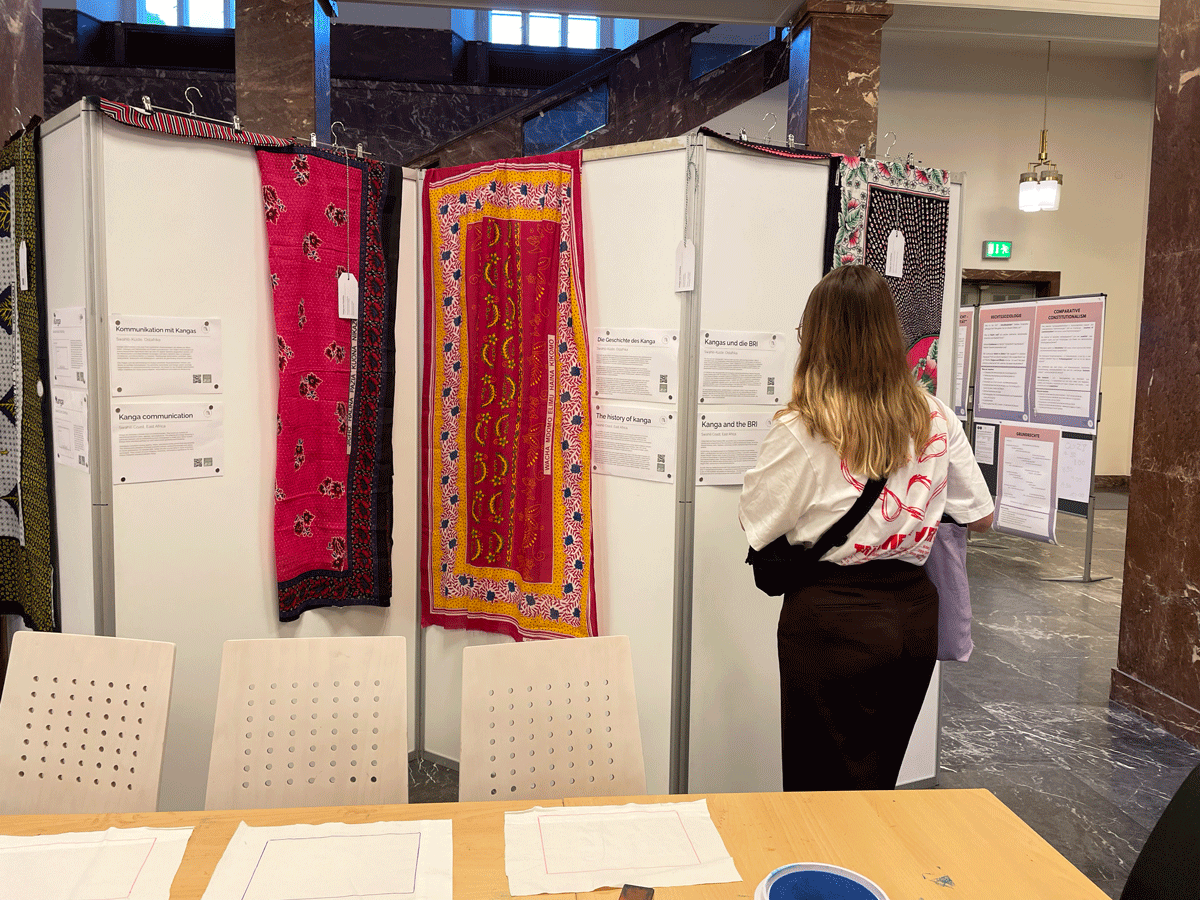
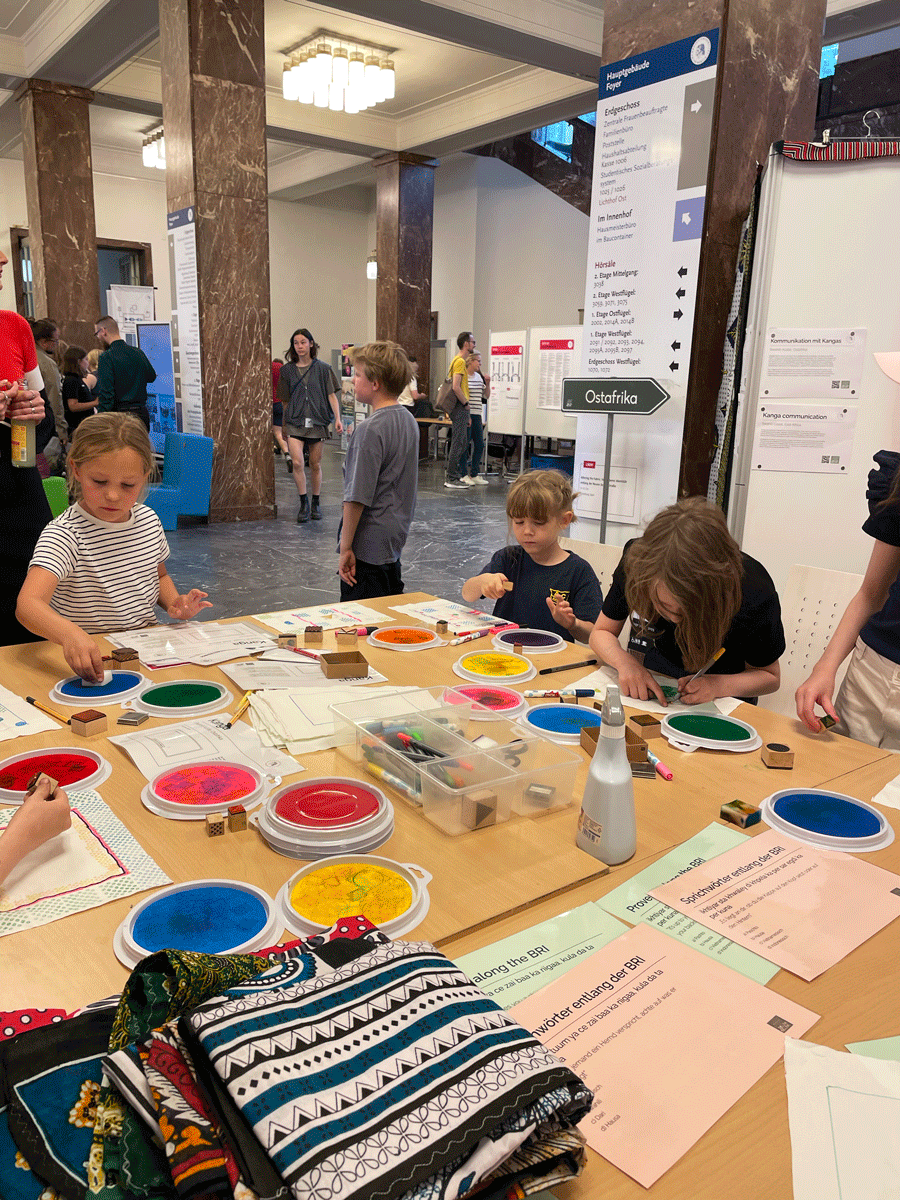
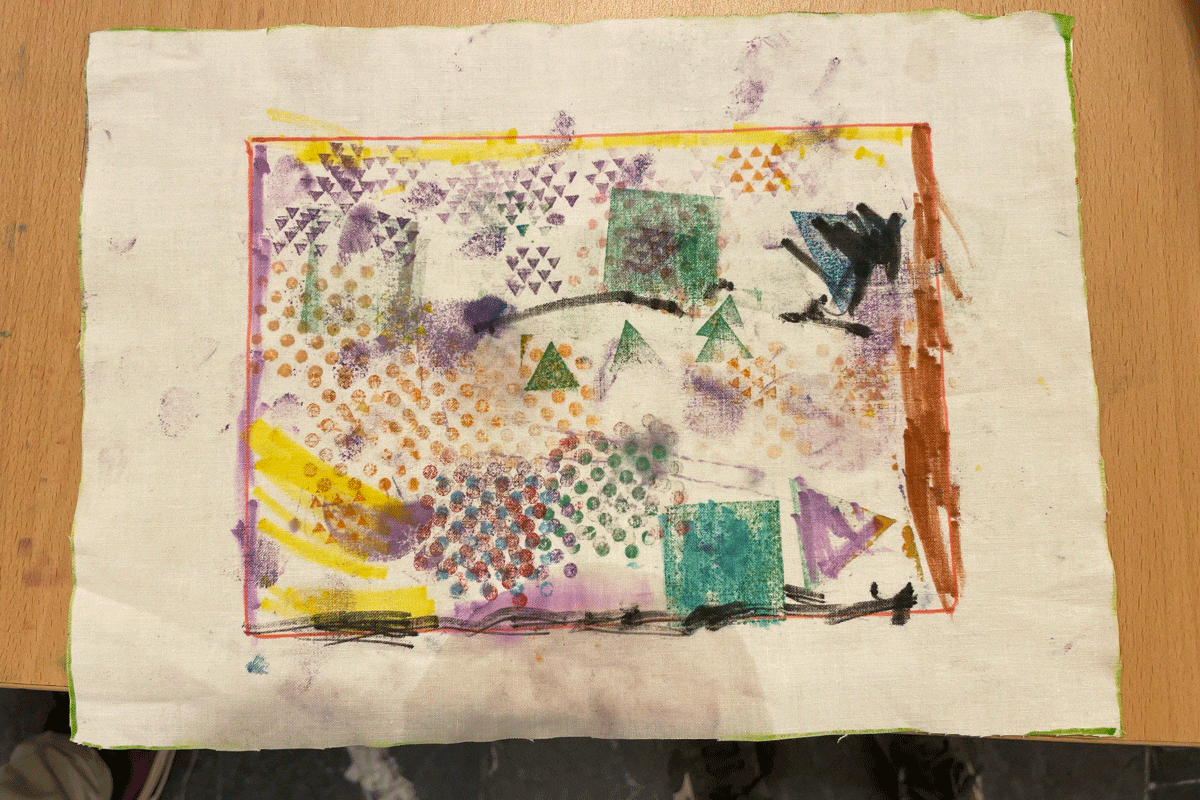
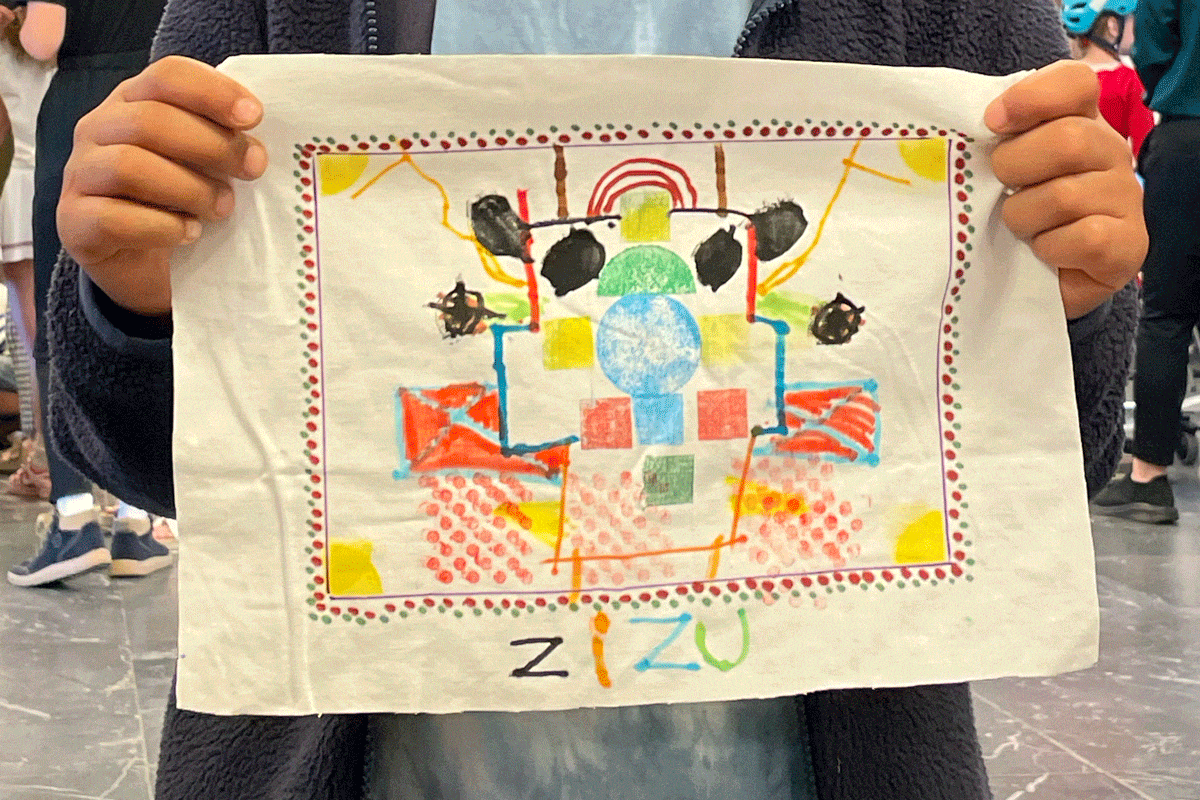
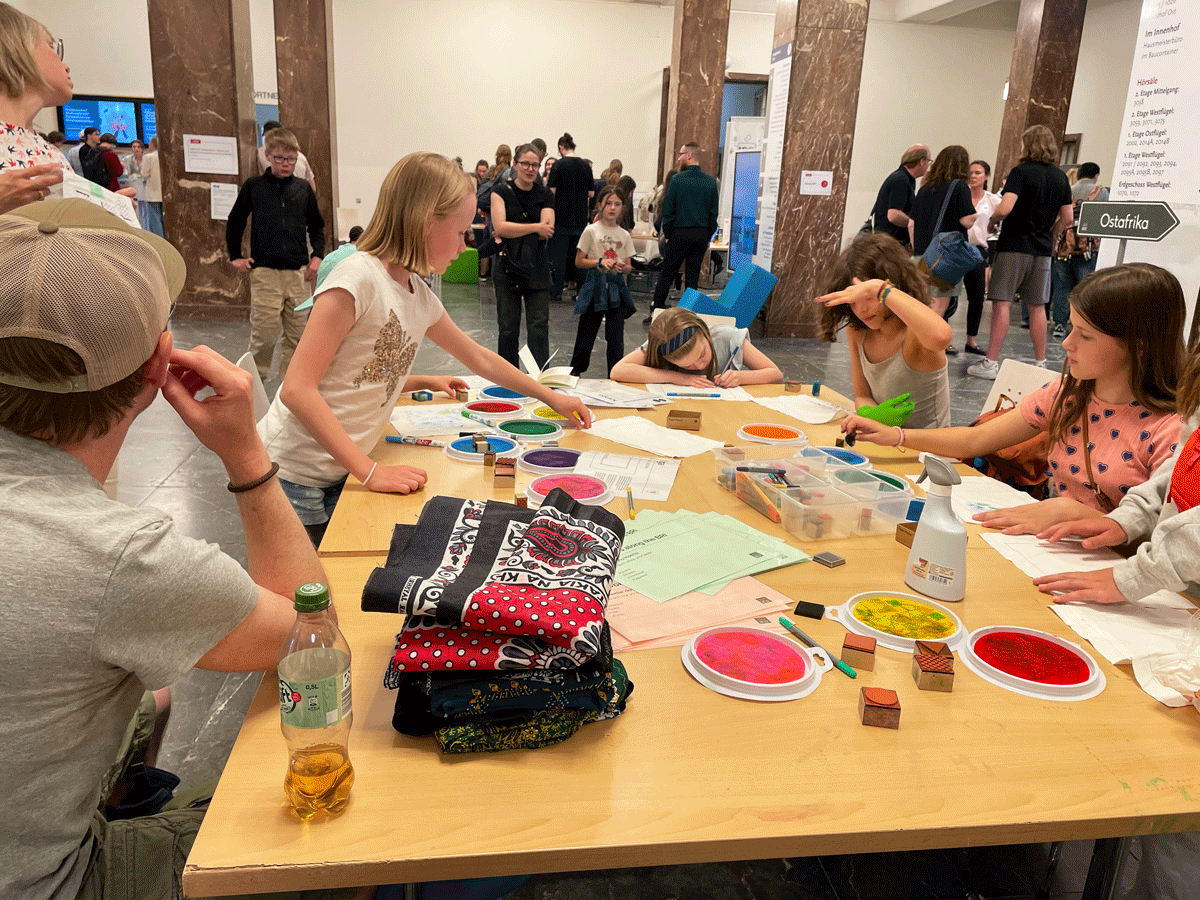
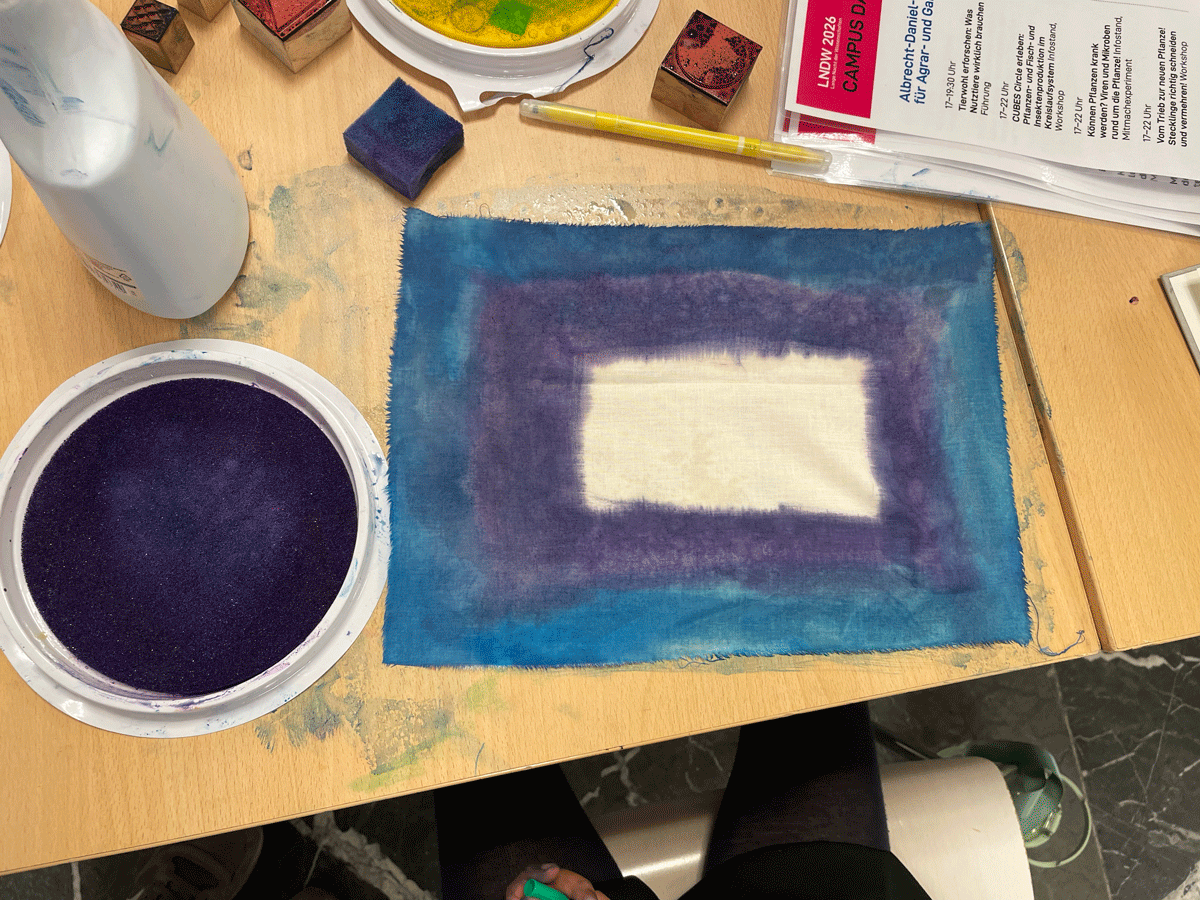
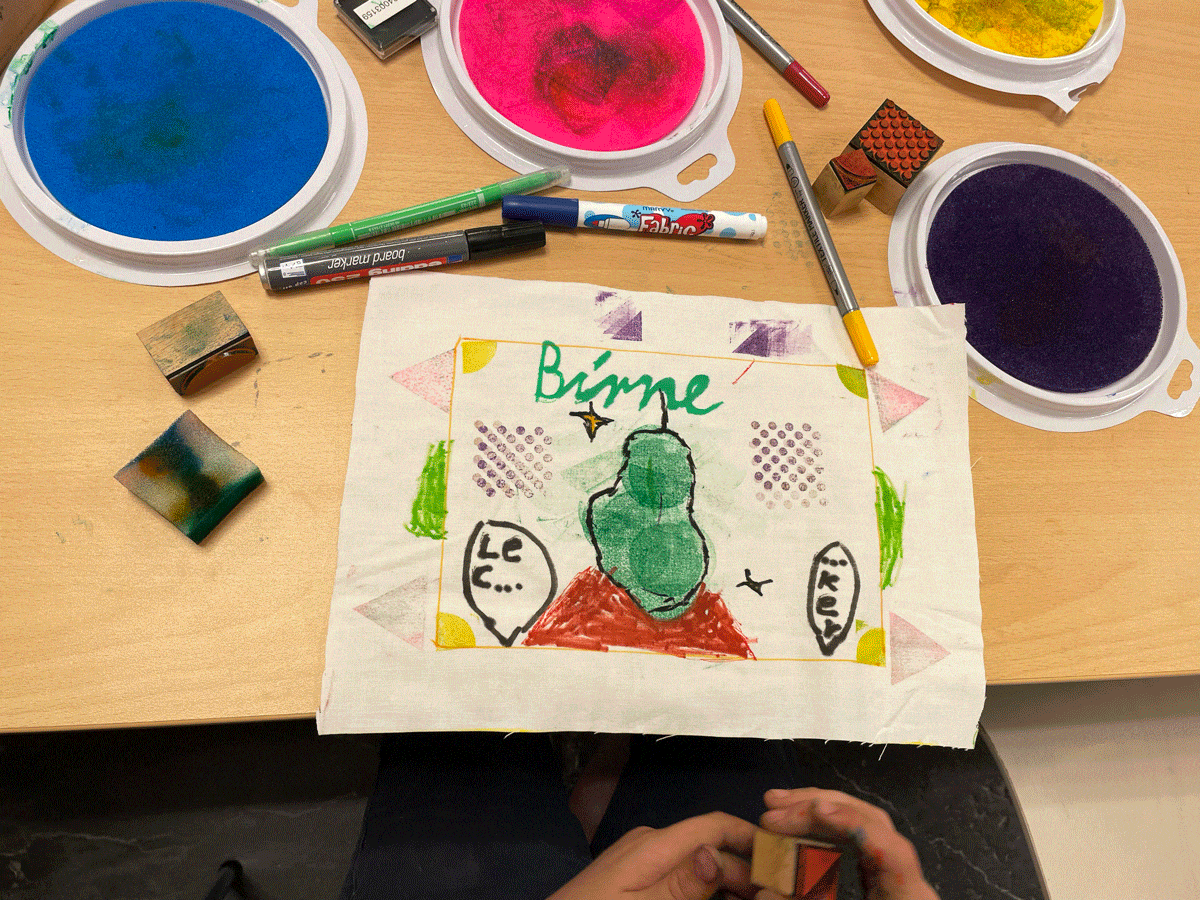
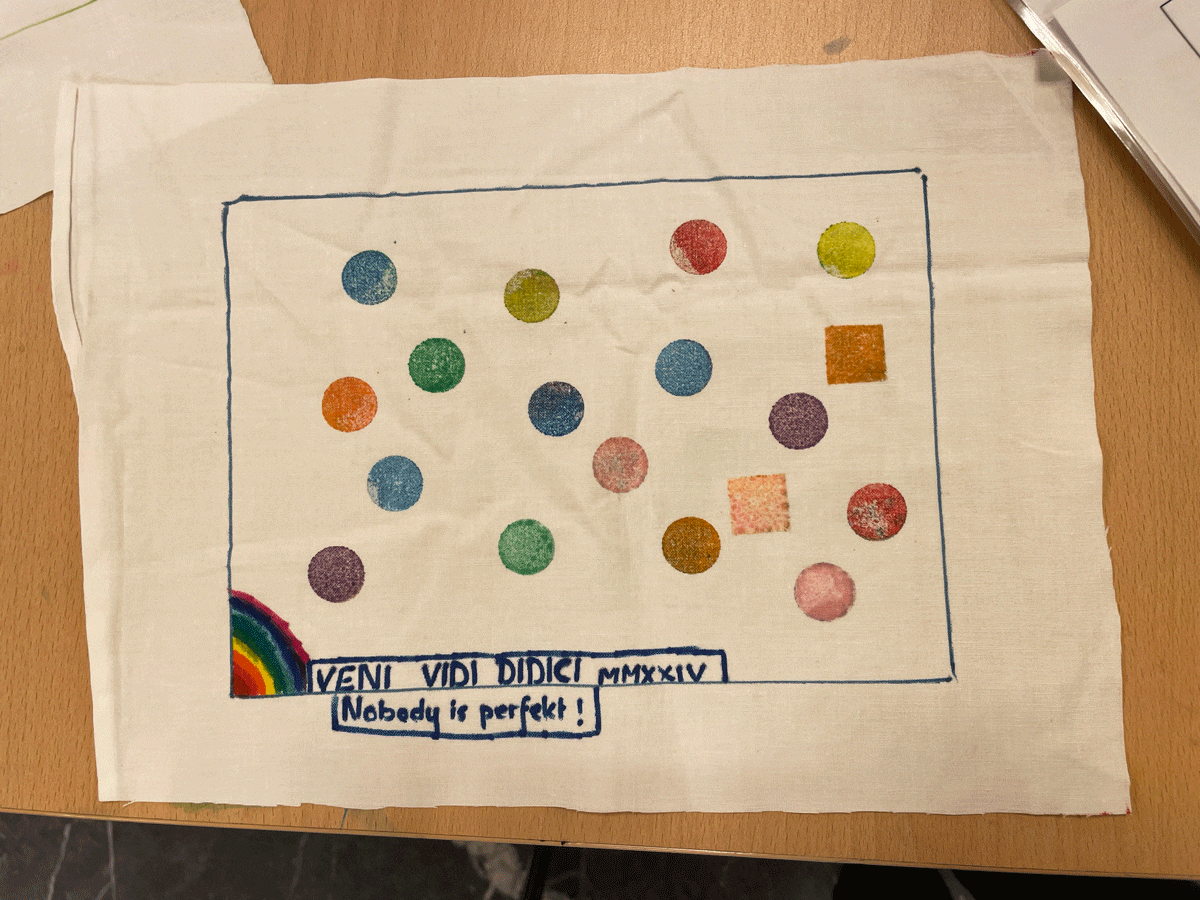
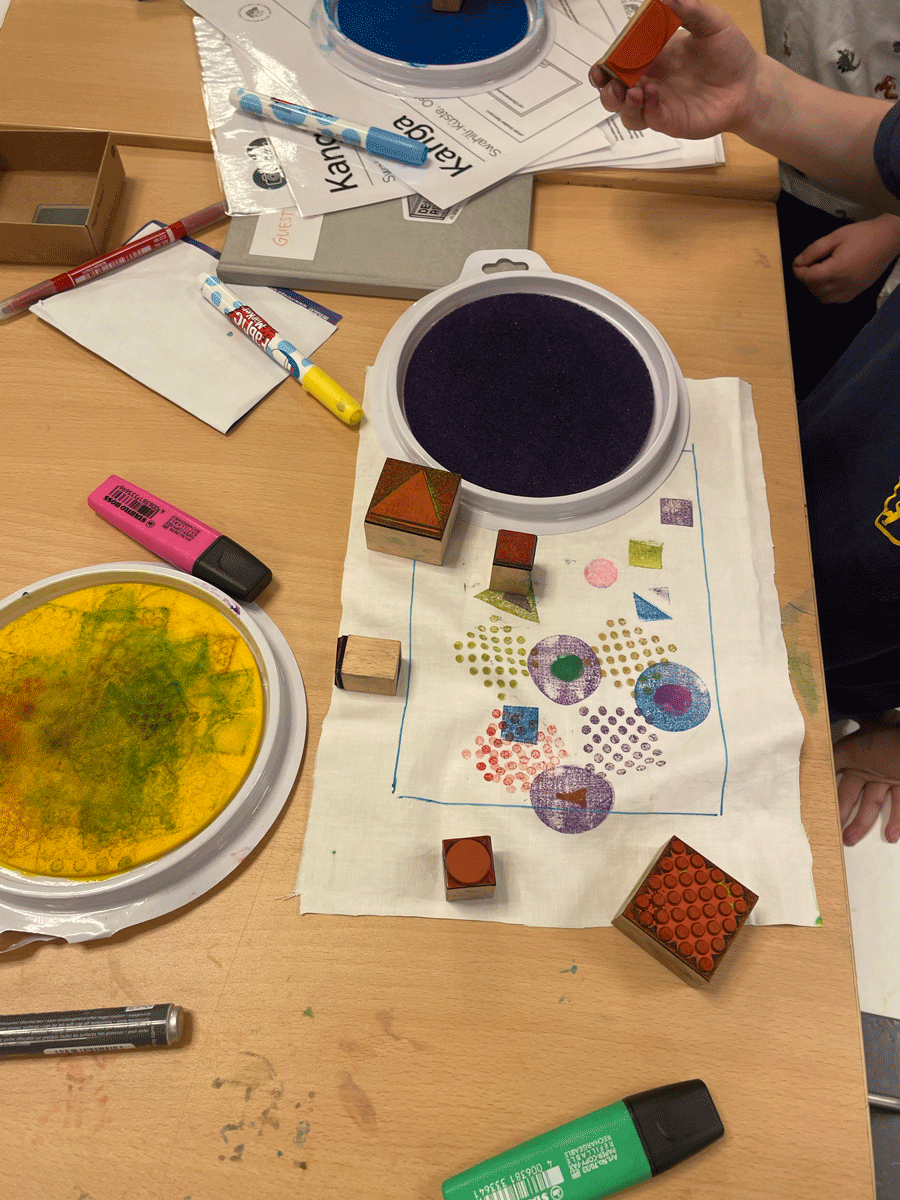
The most popular section was the kanga station, where children and adults alike learnt about the structure of the traditional piece of clothing and its role in Swahili culture, then printed their own version in miniature. Audio tracks by Jasmin Mahazi and Kadara Swaleh provided concise explanations of both the historical and present roles of the kanga. More information about the languages along the BRI could be gleaned via a student-developed quiz about sayings.
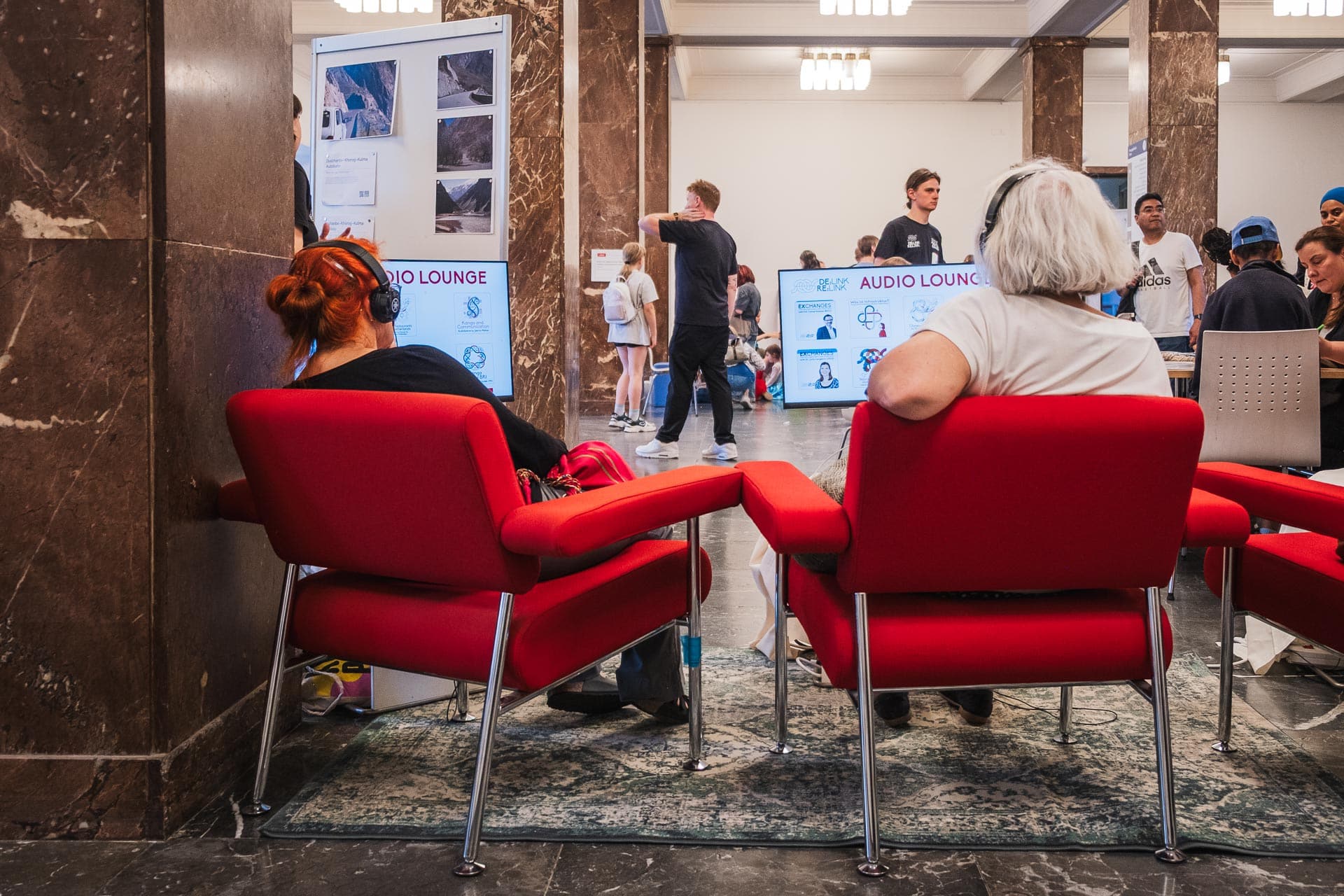
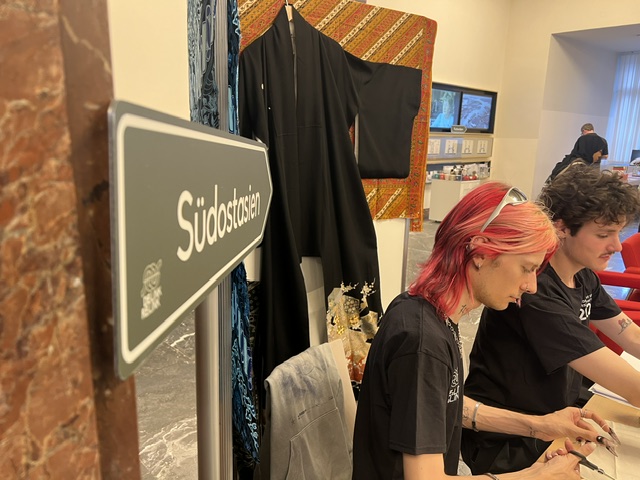
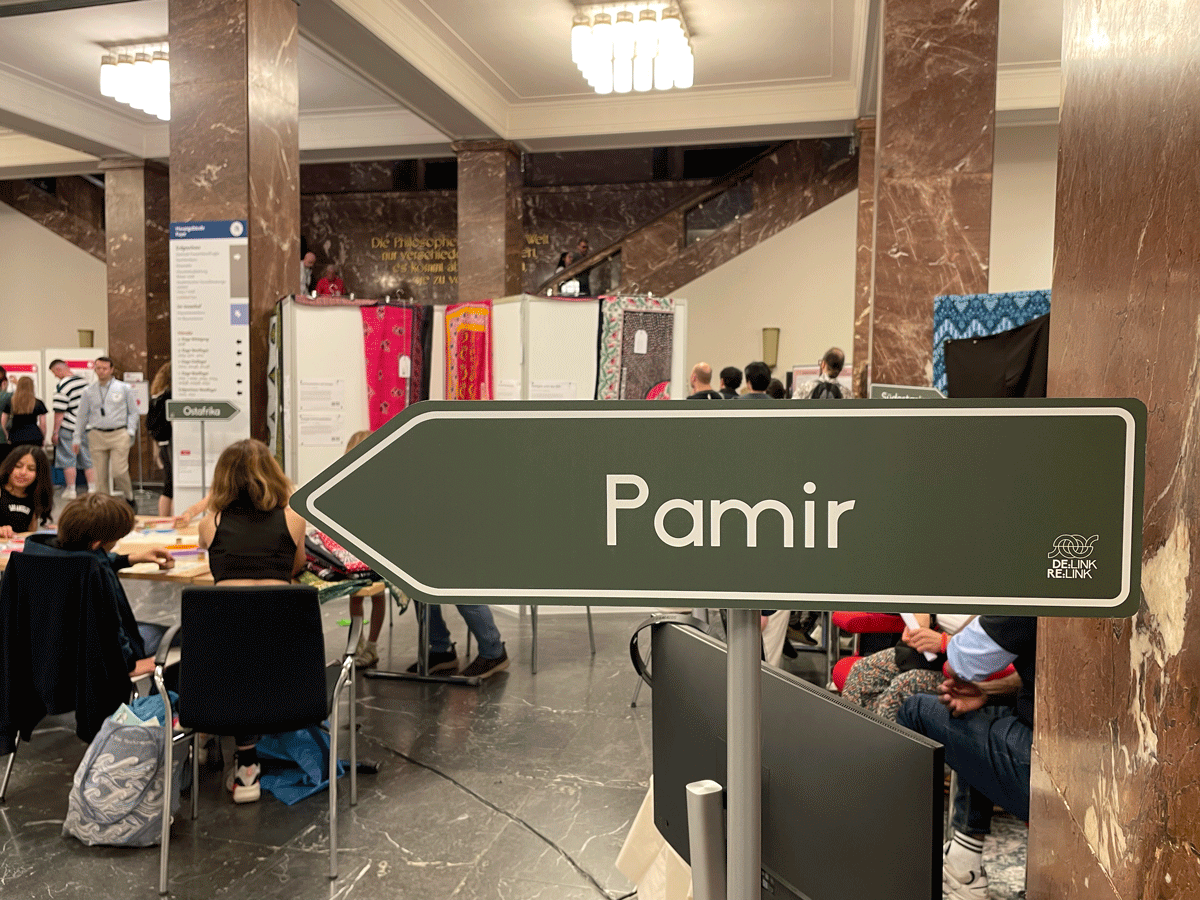
Guided by street signs, the public could move through to the audio lounge to listen to De:link//Re:link podcasts, and find out more about the patterns on kimonos in Southeast Asia with students from the Department of Asian and African Studies.
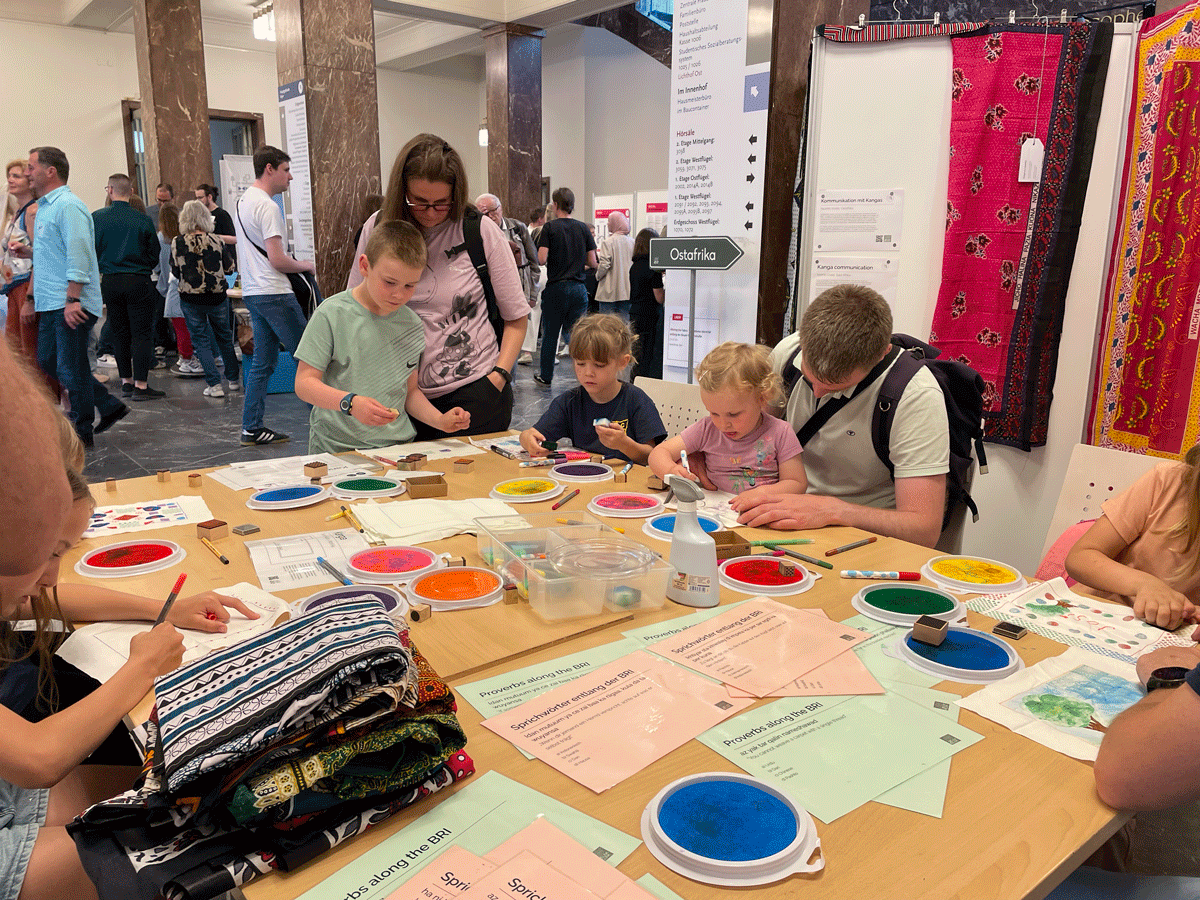
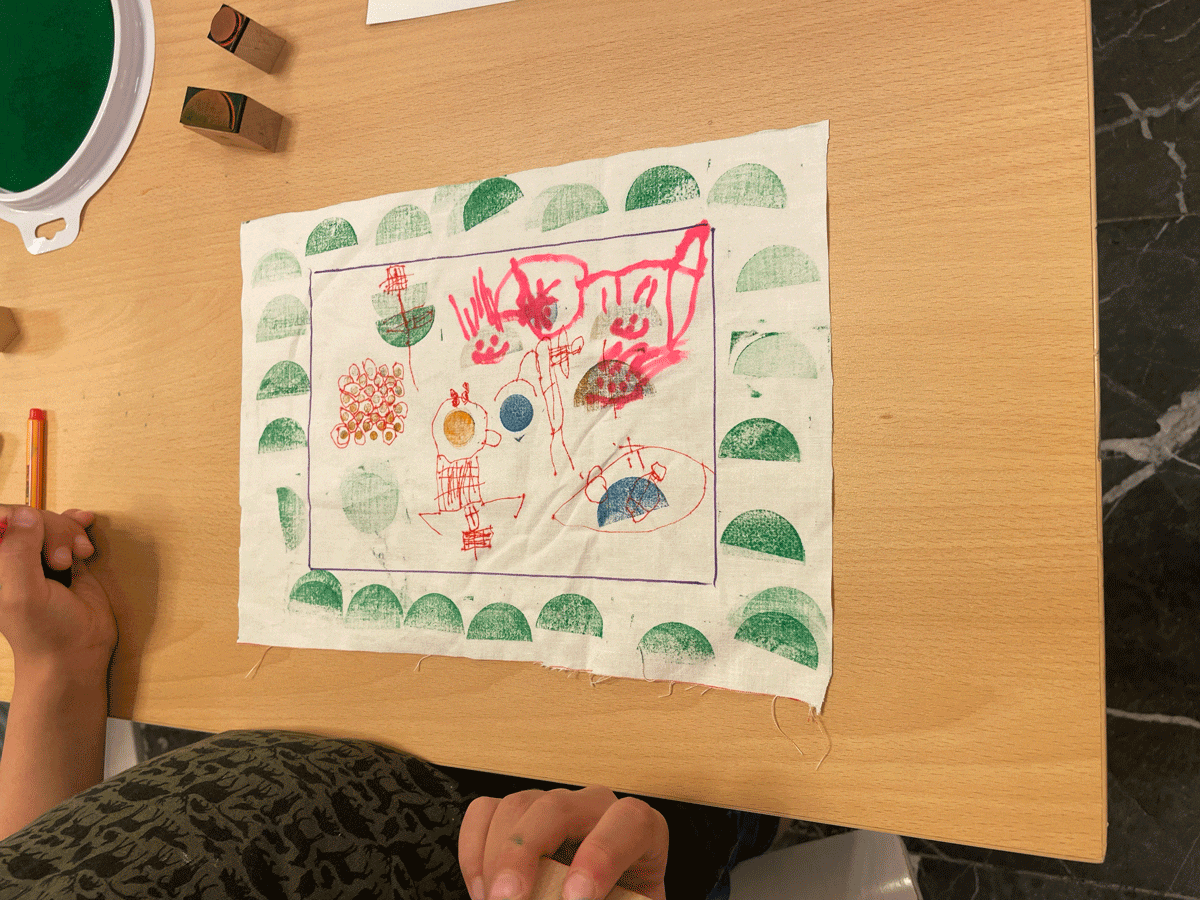
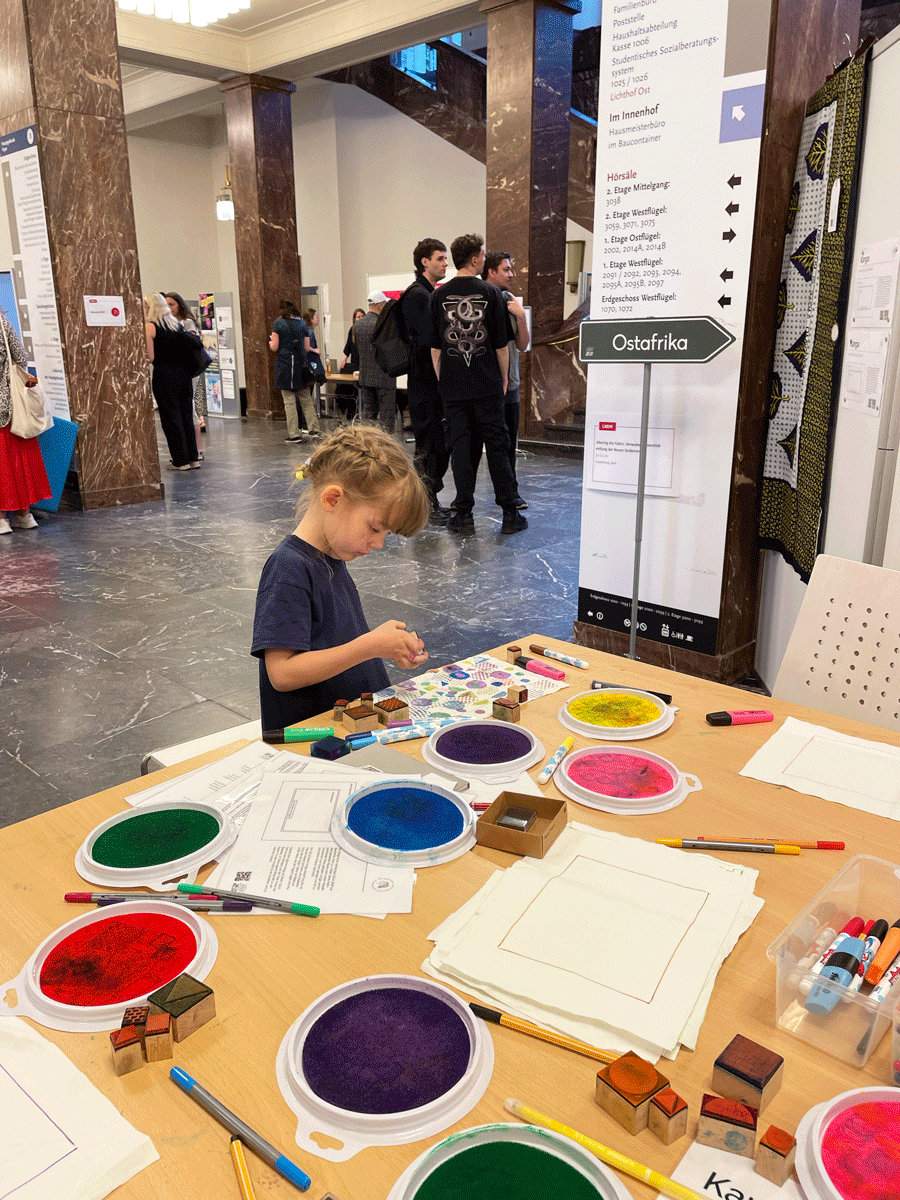
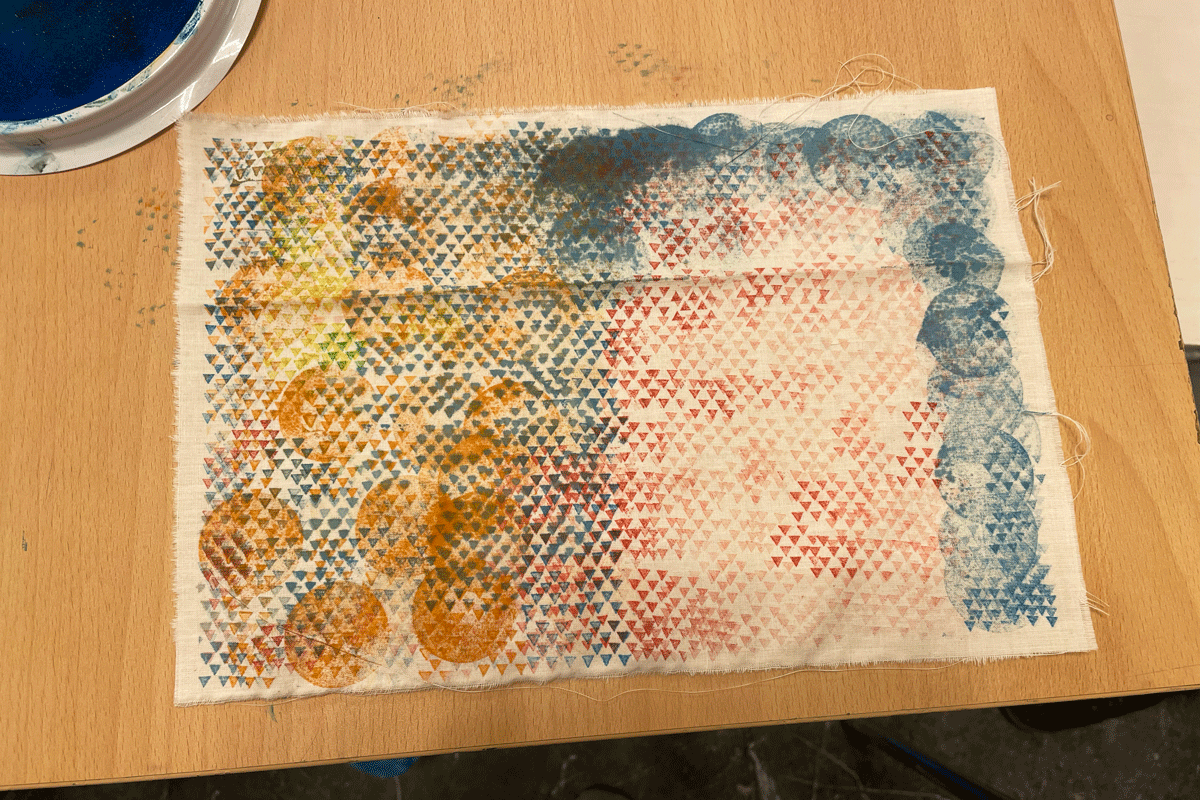
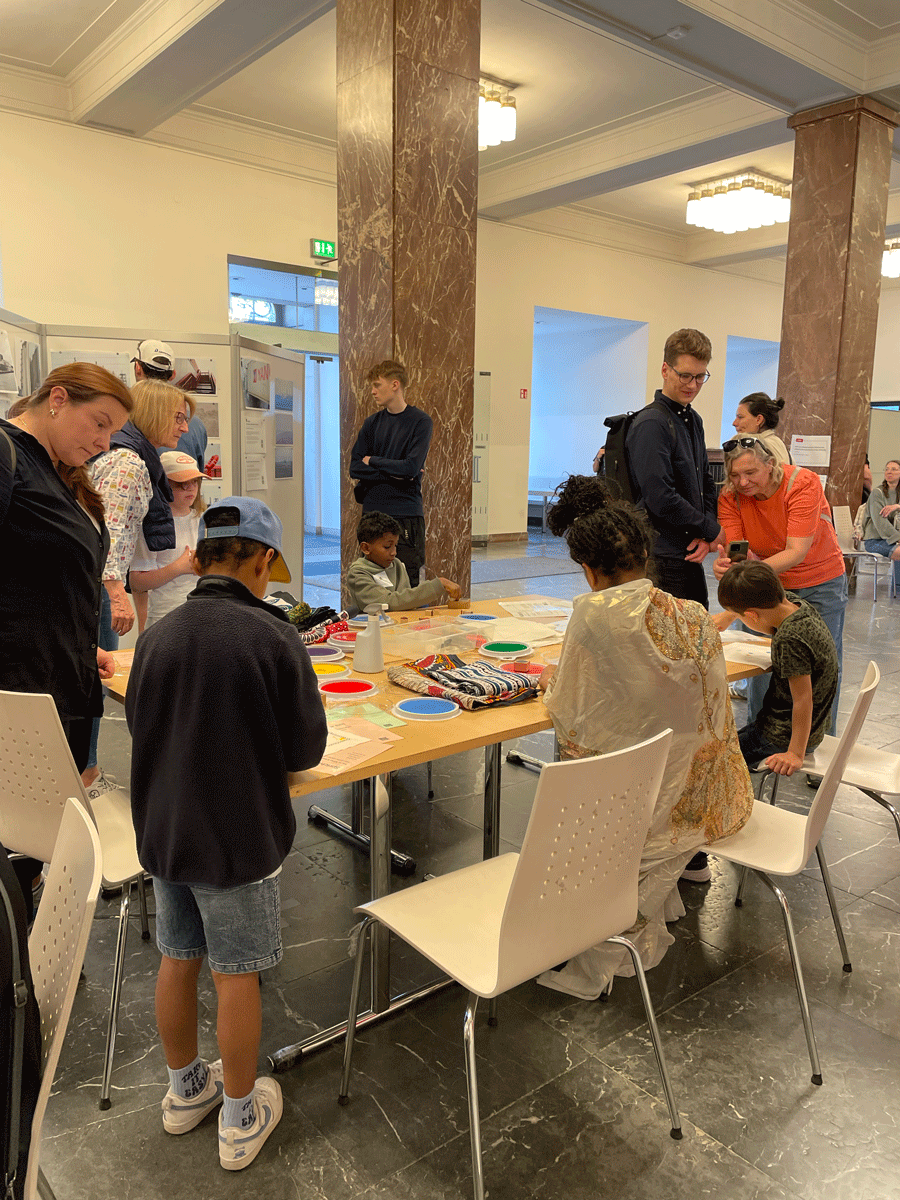
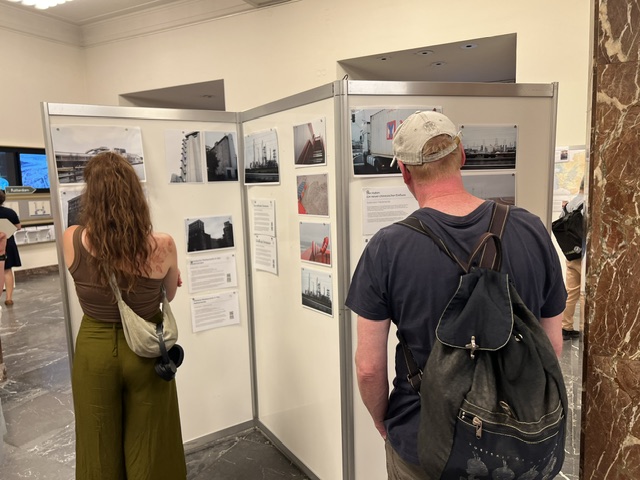
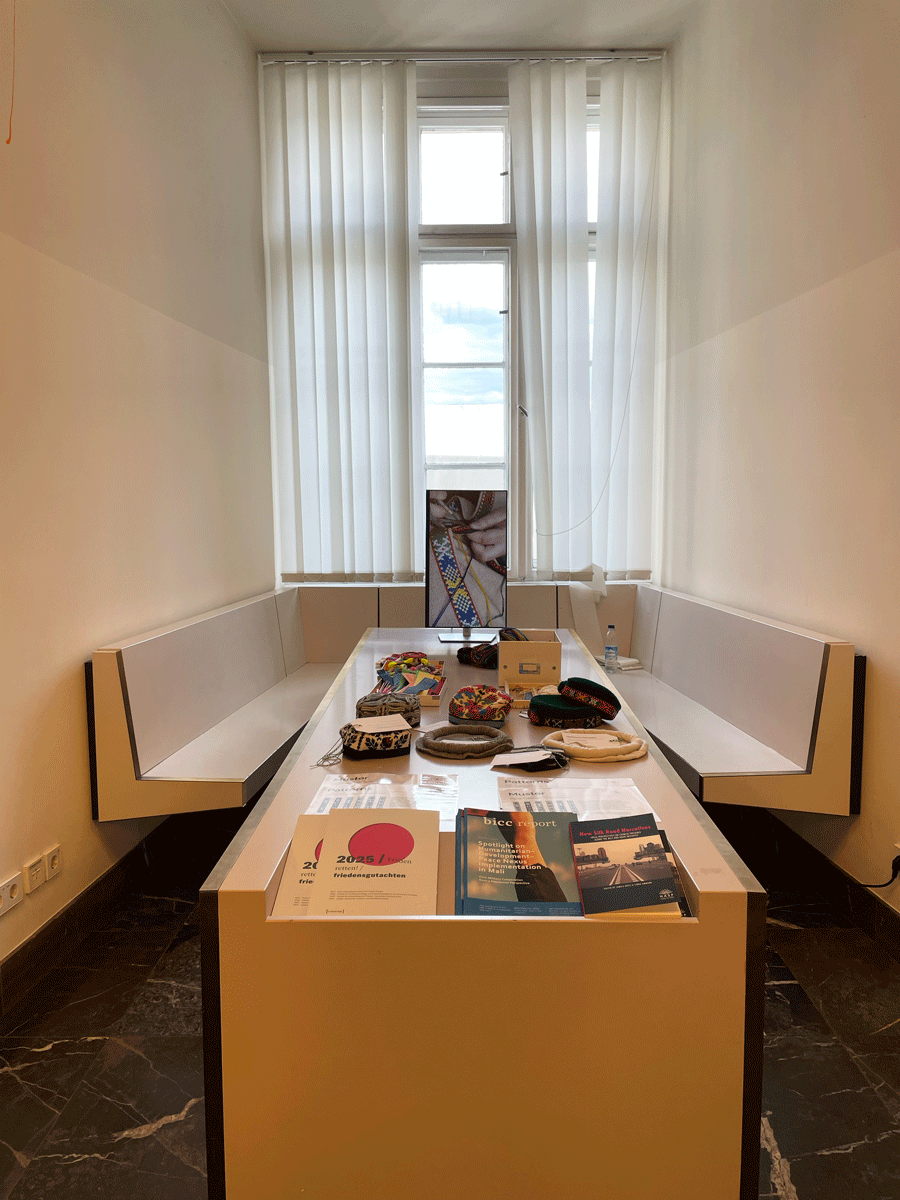
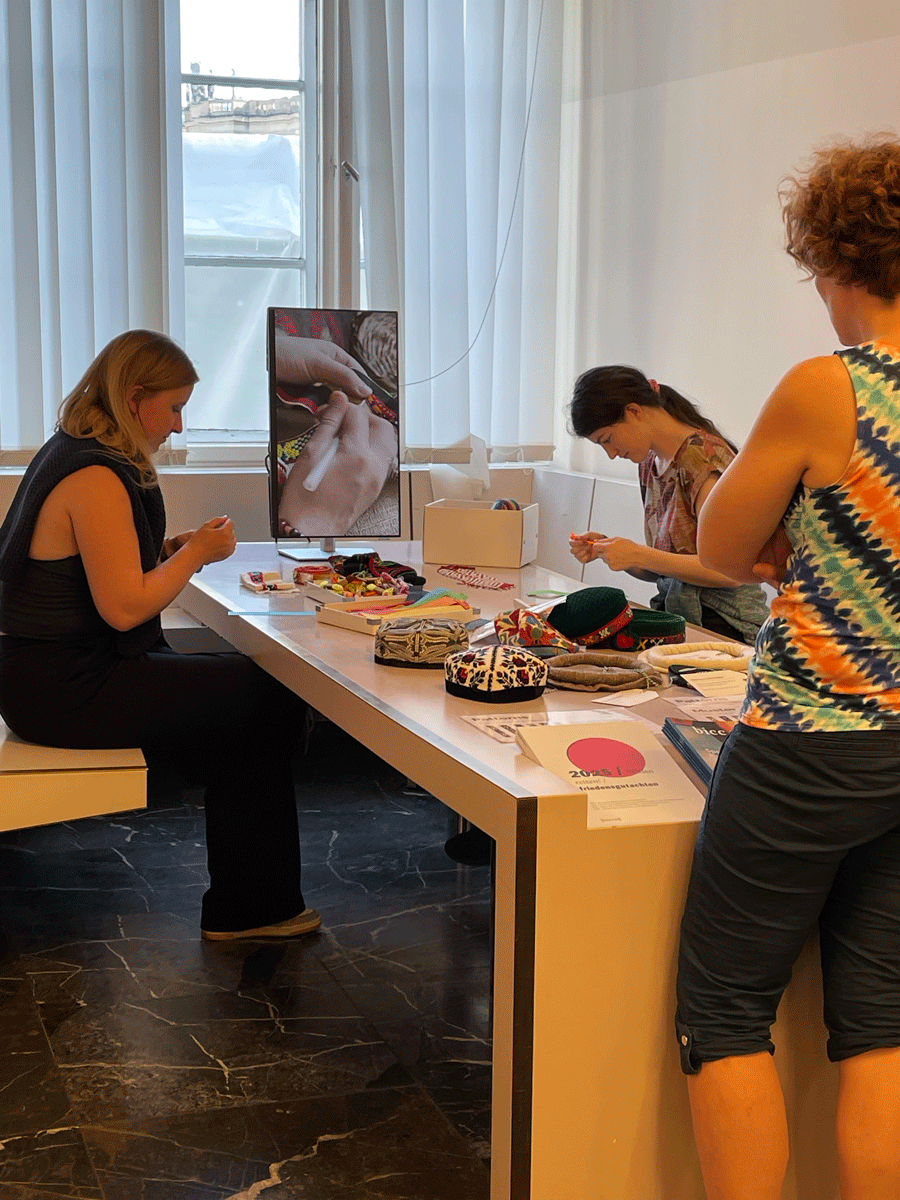
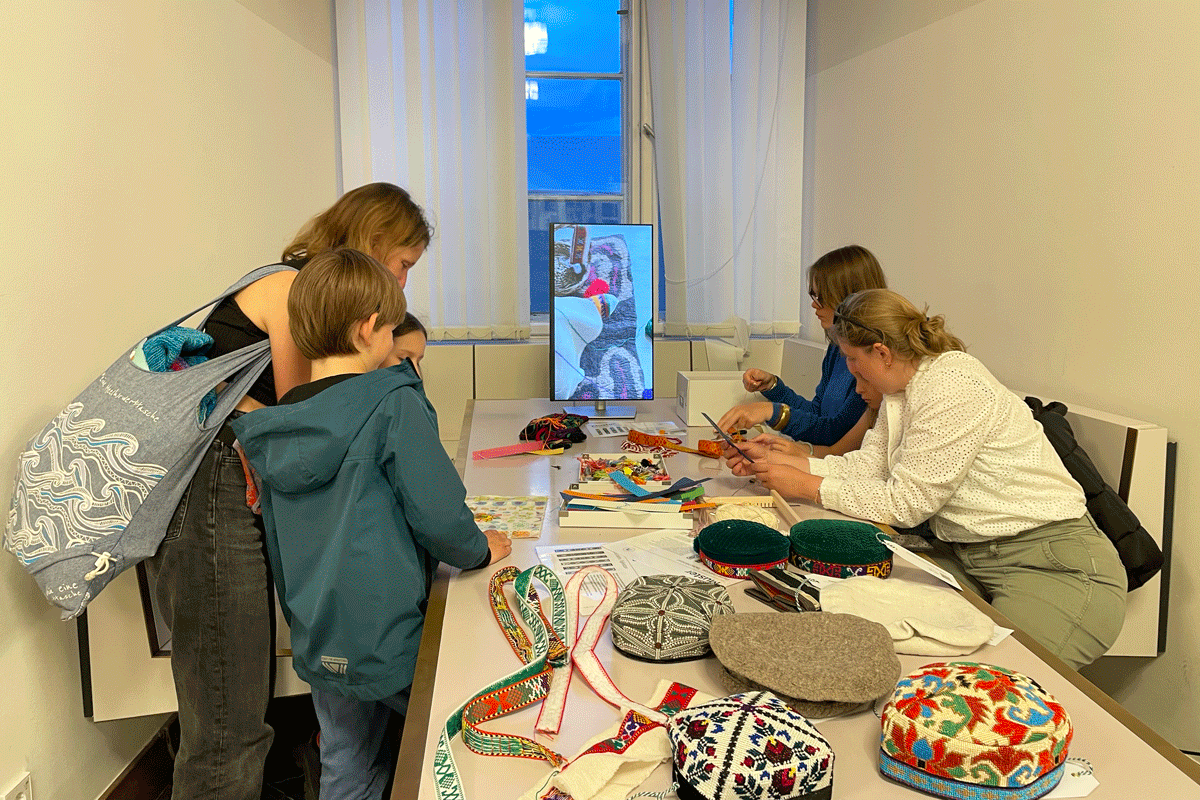
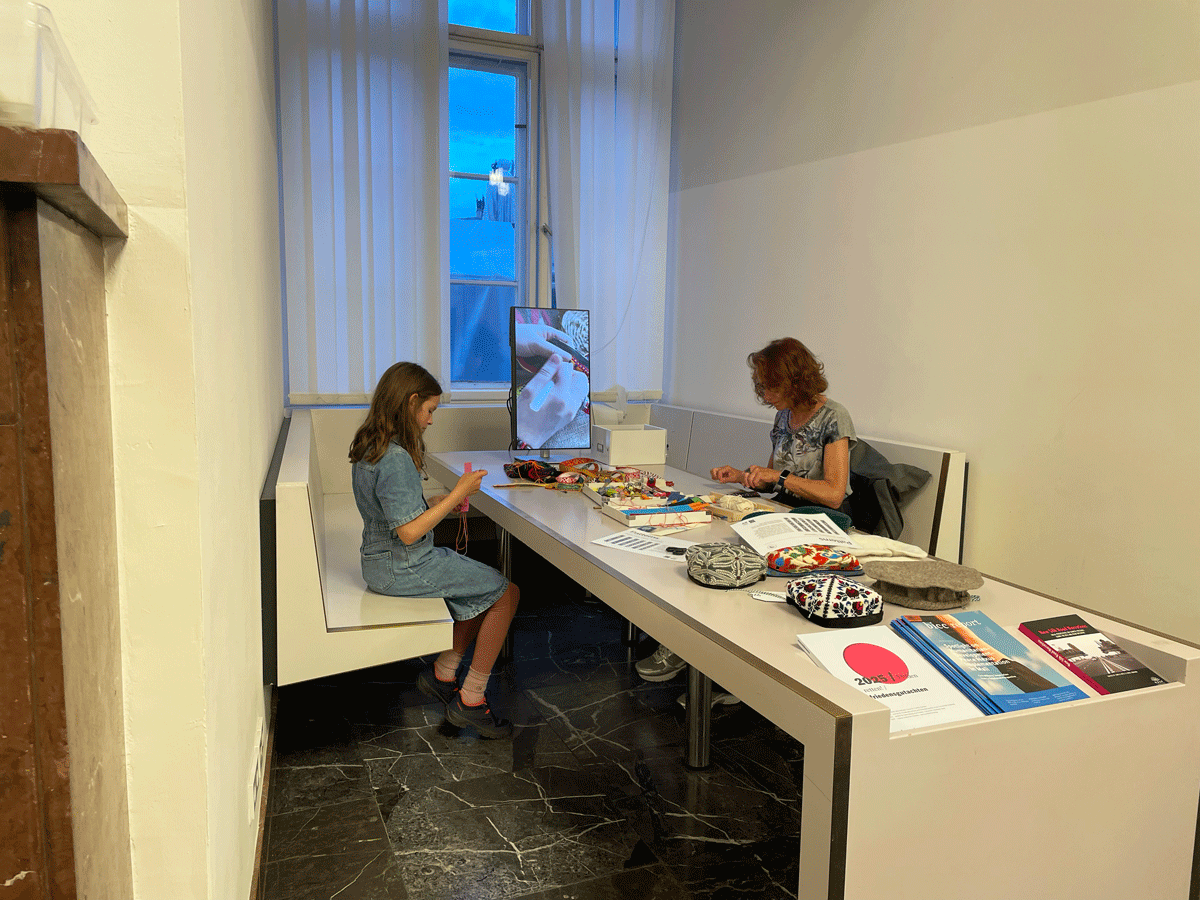
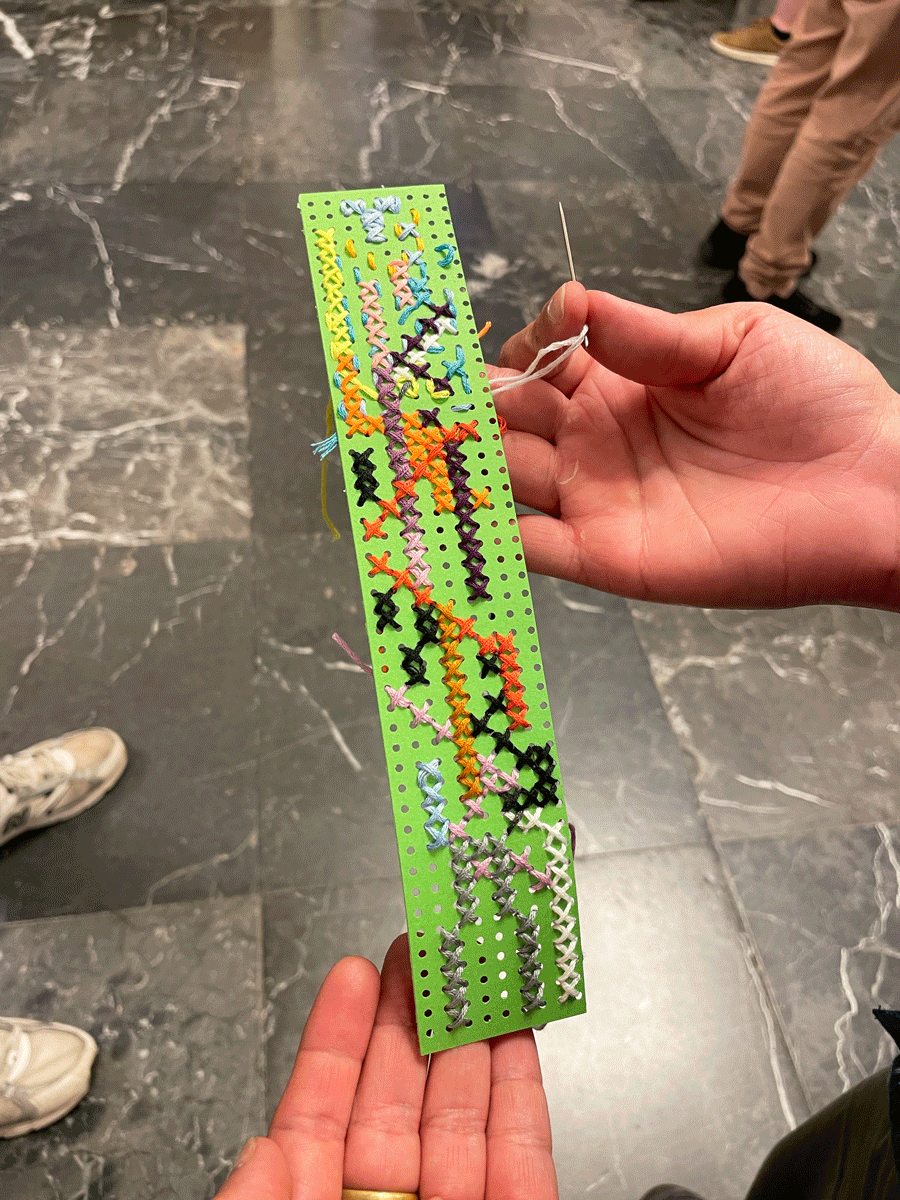
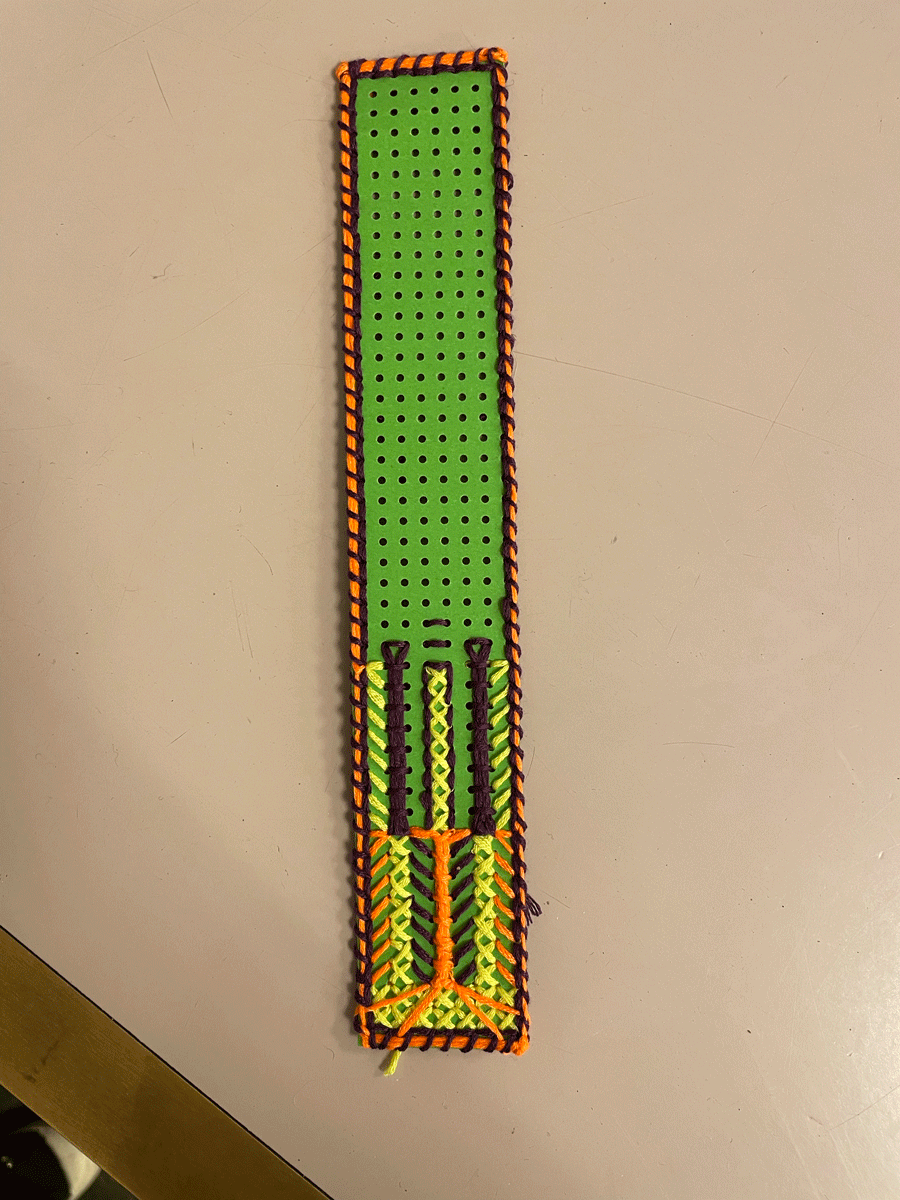
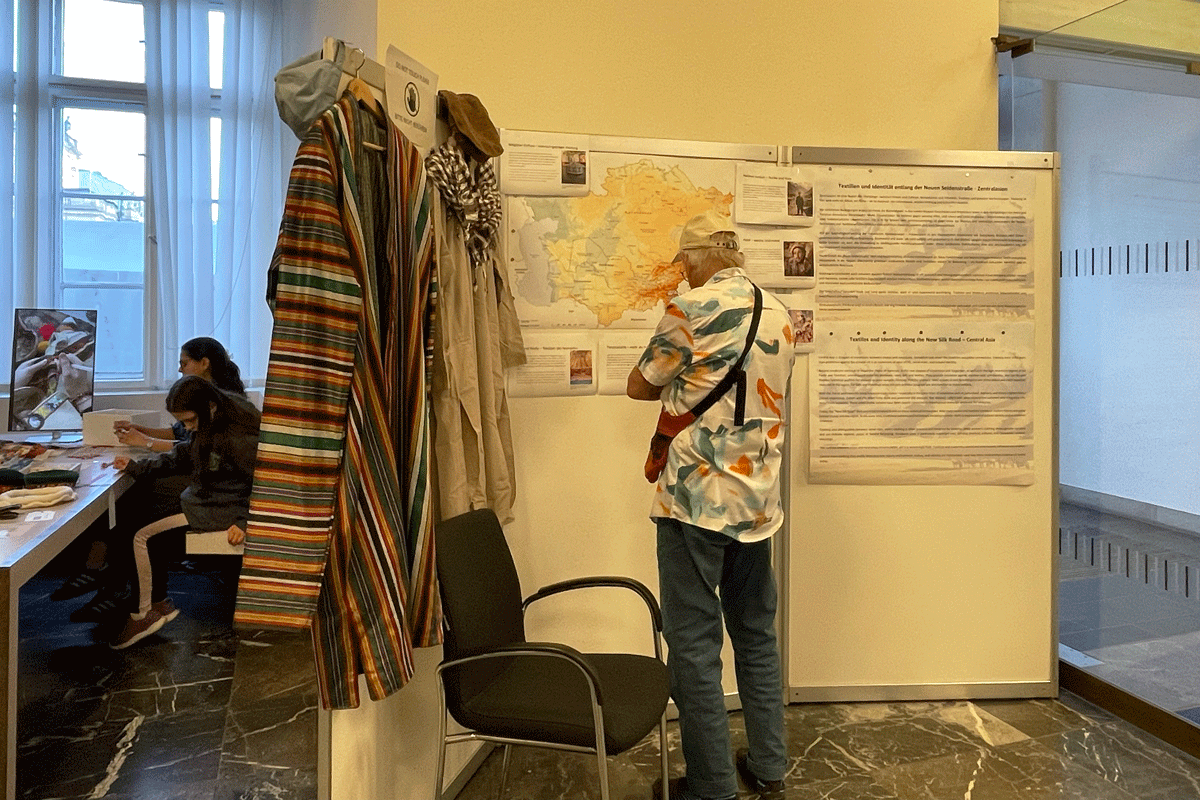
Created based on Fiona Katherine Naeem’s research project, the Pamir section combined an exhibition of photographs from the region with a video depicting how traditional sheroze ribbons are created. Visitors were able to try their hand at embroidering their own patterns on strips of card using colourful silks. A student project alongside the section displayed items of clothing from Central Asia.
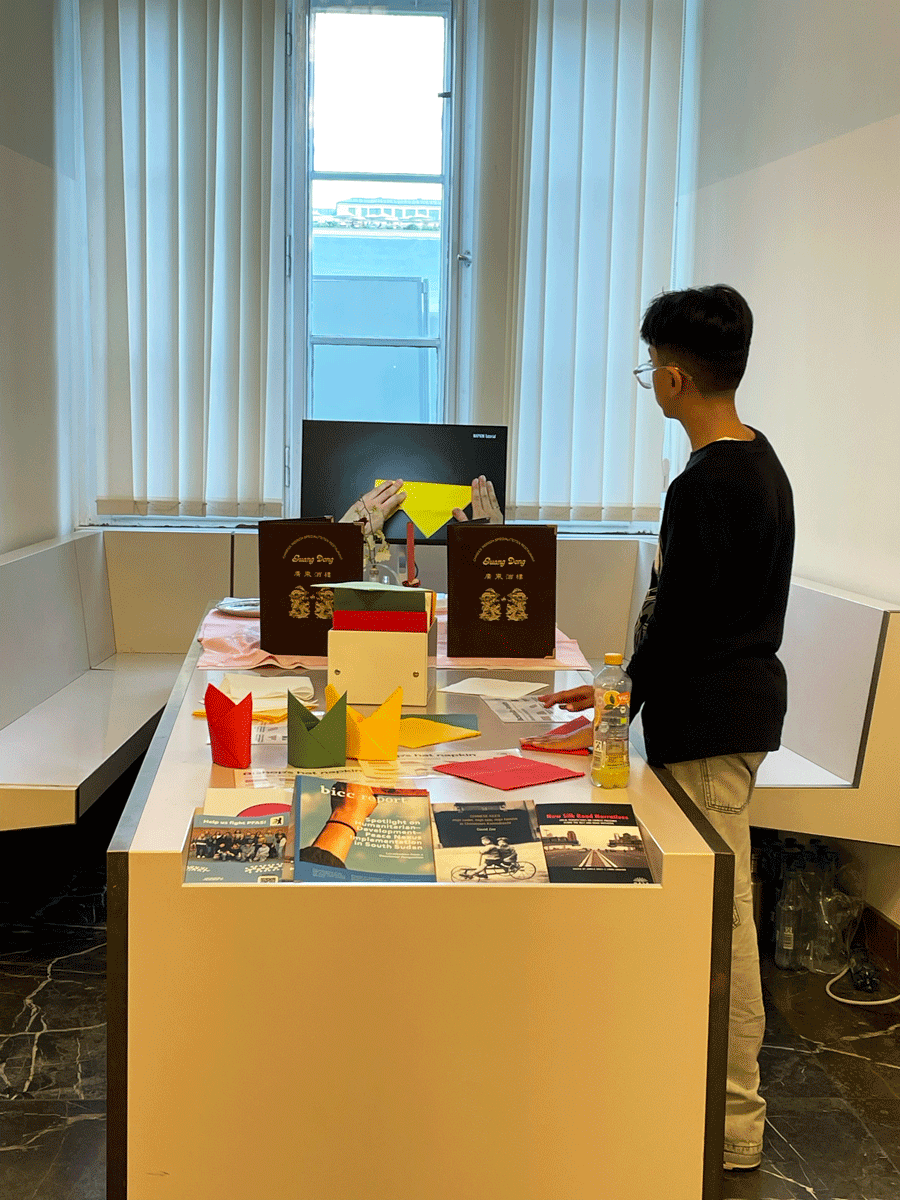
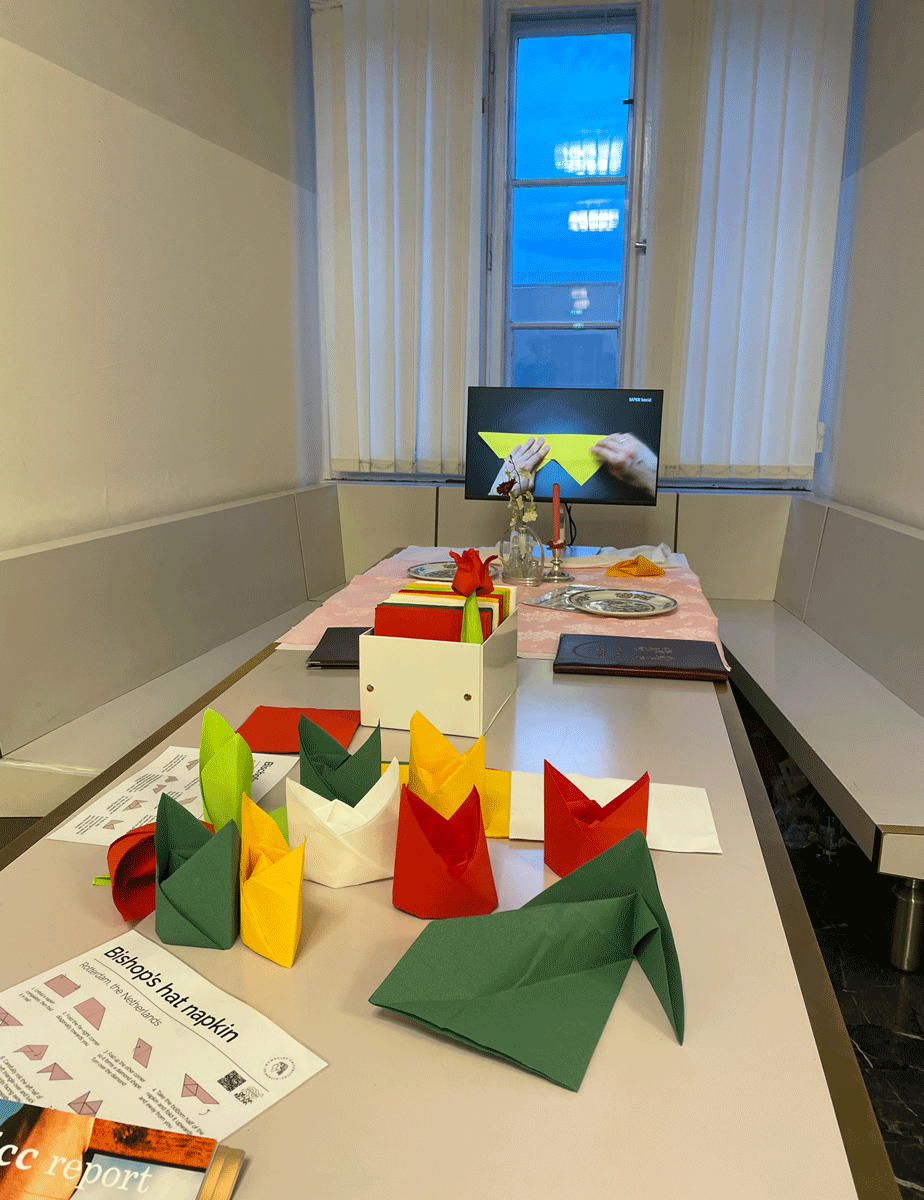
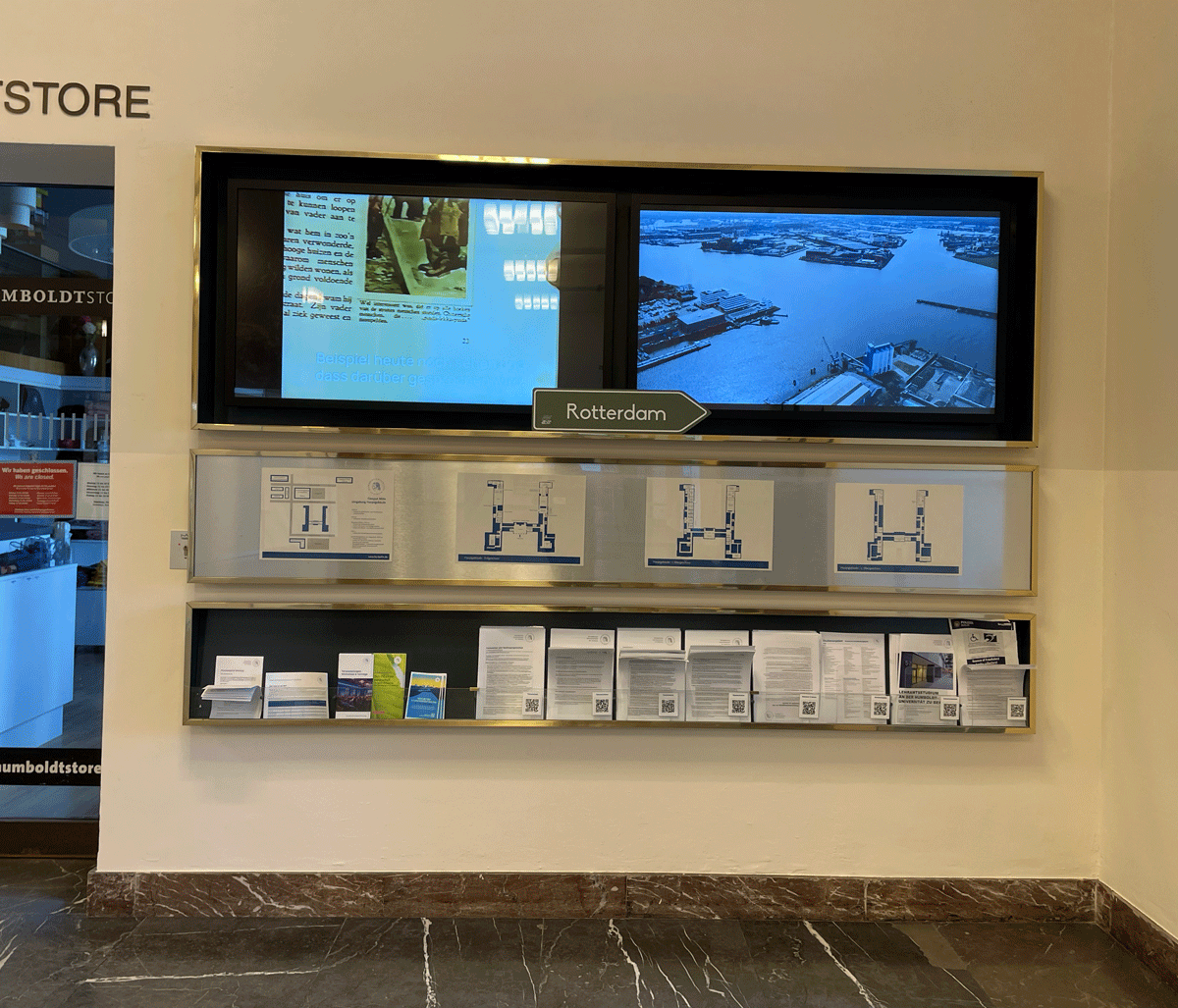
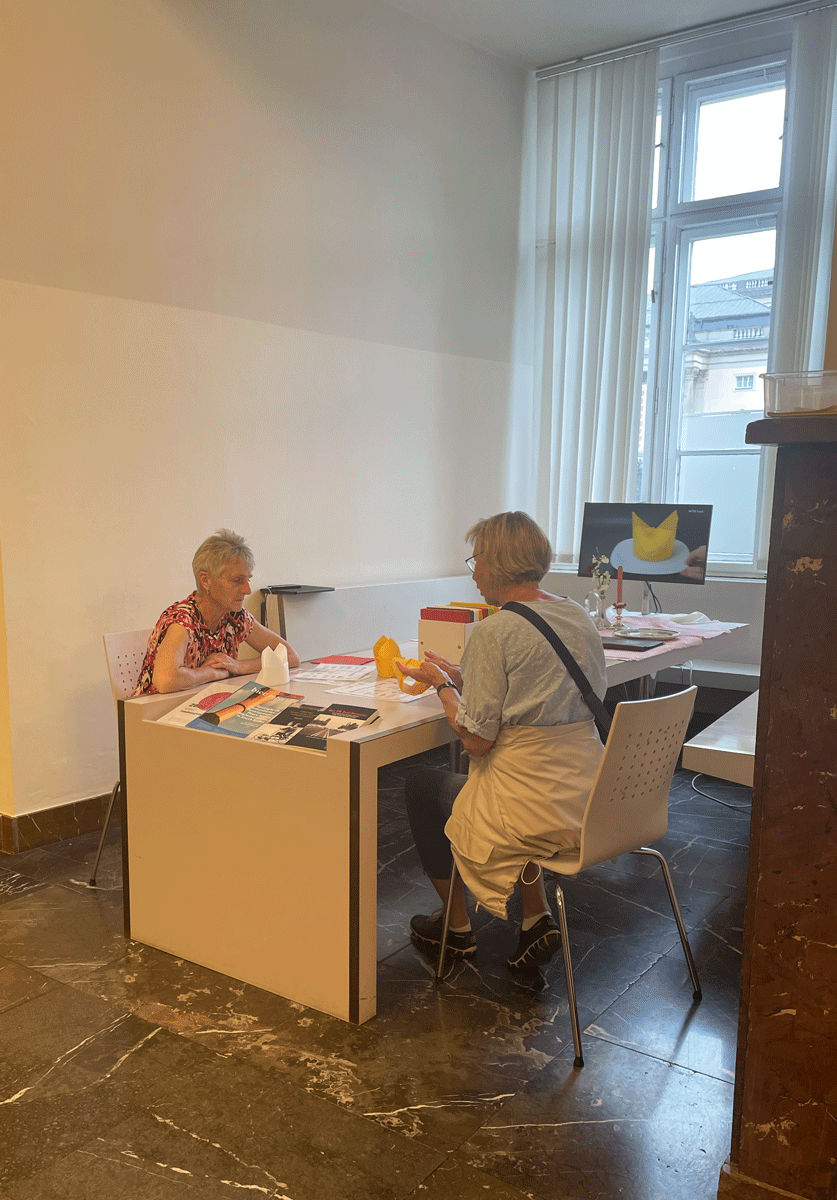
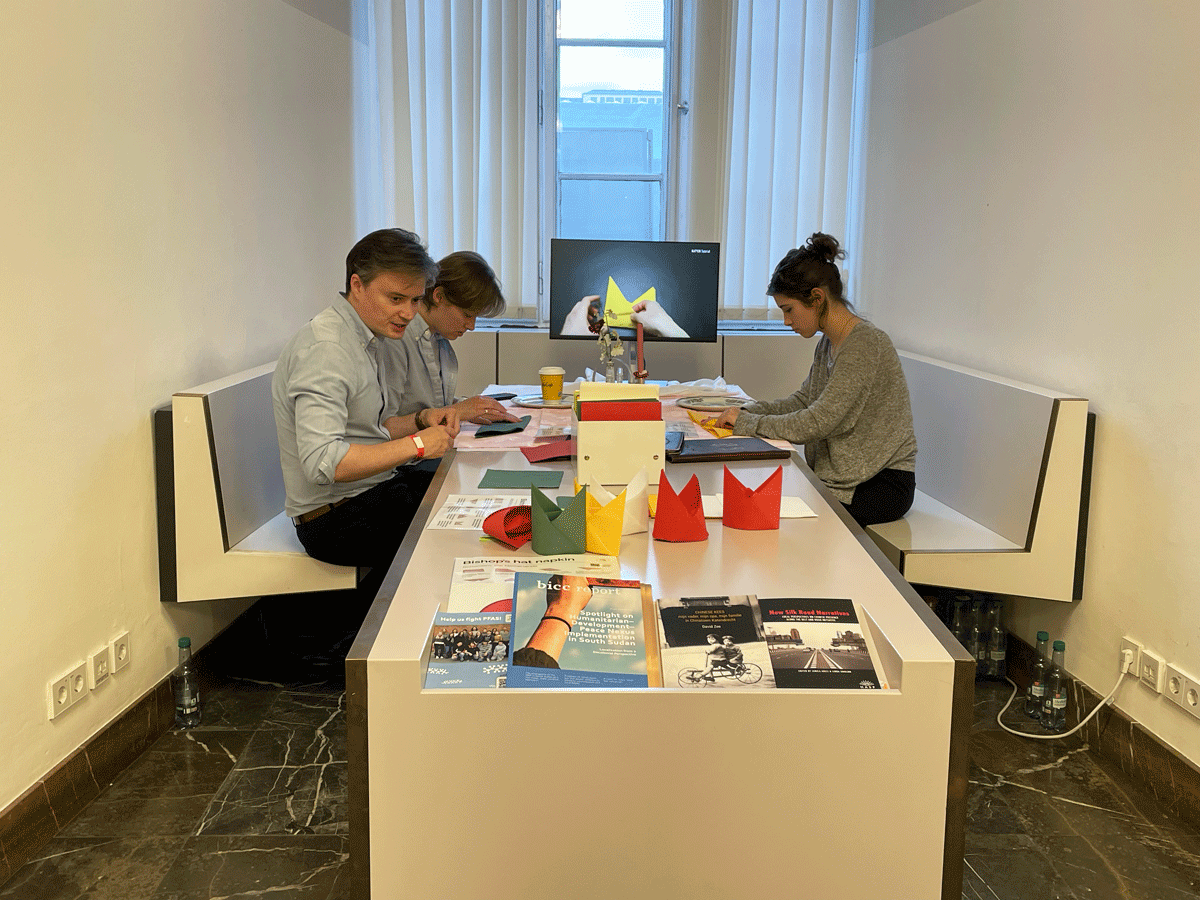
At the Rotterdam station, the public explored the changing influences of China in the Dutch city – from the fading Chinese restaurants in Katendrecht to the high-tech port infrastructure. Perched at an original place-setting, interested visitors flipped through menus of old photos or folded napkins into a bishop’s hat’.
All images copyright De:link//Re:link unless otherwise stated.